The SCW AI Adoption Model™

A practical framework for governing secure AI development — at every stage, for every team.

Book a demo
이것은 div 블록 안의 일부 텍스트입니다.
The problem

AI adoption is outpacing governance

AI is reshaping how software is created across entire organizations. But most enterprises lack visibility into how AI contributes to production code, who is using it, and whether it is secure. Gartner's 2026 Hype Cycle for Secure Software Engineering warns that AI-augmented development is expanding the attack surface faster than traditional controls can scale — and that AI coding tools are making secure coding skills more important than ever.


Four questions CISOs cannot answer today:
Which AI models create production code
If AI-assisted code meets security policy
Whether contributors are trained properly
Whether AI usage aligns to governance standards

The SDLC was built for human-authored code. It was not built for AI agents generating thousands of lines without review. As autonomy increases, invisible security debt accumulates — and CISOs are left unable to answer the questions that matter most.

The model

The SCW AI Adoption Model™

The SCW AI adoption model maps the full progression of AI use in software development across eight stages and three phases — from minimal AI assistance to fully autonomous agentic orchestration. It gives CISOs a practical framework to identify where their organization sits today, what training developers need at each stage, and which governance controls are required as autonomy increases.

Download whitepaper
Phase one
AI-Assisted

AI-Assisted

Retain full oversight

AI supports development but humans remain the primary authors. Developers write code, review AI suggestions, and retain full oversight of output. This is the ideal time to build a governance foundation before oversight degrades.

Phase two
AI-Native

AI-Native

Human oversight begins to deteriorate

Deliver advanced AppSec expertise, tailored governance design, and transformation planning for secure development programs.

Phase three
Agentic

Agentic

High-risk escalation points

Autonomous agents direct other agents across the full development lifecycle. Human involvement is reserved for high-risk escalation points. Governance must be entirely policy-driven. The SDLC is giving way to the Agentic Development Lifecycle.

SCW AI 도입 모델™

AI 도입에 따라 보안 책임도 진화합니다

AI 도입의 8단계와 각 단계에서 안전한 소프트웨어를 구축하기 위해 필요한 보안 역량을 살펴보세요. 여정에 맞춰 200개 이상의 보안 개념과 취약점 카테고리가 매핑되어 있습니다.

데모 예약하기
1단계
AI 보조 활용

최소한의 AI 사용

개발자가 직접 코드를 작성하고 보안 코딩 원칙을 적용합니다.

핵심 보안 책임

안전한 코딩 원칙과 일반적인 소프트웨어 취약점에 대한 탄탄한 기초를 다지세요.

추천 학습 과정

웹 애플리케이션 보안 입문
정보 노출
저장형 크로스 사이트 스크립팅(Stored XSS)
취약한 비밀번호 변경 기능
+120개 추가 주제
2단계
AI 보조 활용

감독하의 지원

개발자는 코딩 보조 도구로 AI를 사용하지만, 생성된 결과물을 검토하고 검증할 책임은 여전히 개발자에게 있습니다.

핵심 보안 책임

AI가 생성한 코드의 보안 문제를 프로덕션 환경에 배포하기 전에 식별하고 수정하세요.

추천 학습 과정

AI를 활용한 코딩
소프트웨어 보안의 기초
사이트 간 요청 위조 (CSRF)
공격과 방어
하드코딩된 키 사용
+179개의 추가 주제
3단계
AI 보조 활용
위험 변곡점

비감독 AI 사용

개발자들은 점점 더 AI 생성 결과물에 의존하고 있으며, 새롭게 부상하는 AI 보안 위험을 관리해야 합니다.

핵심 보안 책임

AI 위험 관리 관행을 적용하고 AI가 생성한 코드, 권장 사항 및 워크플로를 검증합니다.

추천 학습 과정

바이브 코딩: 위험 관리 프레임워크
직접 프롬프트 인젝션
AI를 활용한 위협 모델링
대량 할당
알려진 취약 구성 요소 사용
+136개의 추가 주제
4단계
AI 네이티브

AI 중심 개발

AI가 대부분의 구현 작업을 수행하는 동안 개발자는 요구사항, 아키텍처 및 보안 의도에 집중합니다.

핵심 보안 책임

보안 요구사항을 정의하고 AI가 생성한 아키텍처 및 설계를 평가합니다.

추천 학습 과정

손상된 접근 제어
간접 프롬프트 주입
논리적 오류
보안 요구사항
아키텍처 위험 분석
+116개의 추가 주제
5단계
AI 네이티브

CLI 단일 에이전트

개발자는 개발 워크플로 전반에서 자신을 대신해 작업을 수행할 수 있는 AI 에이전트를 지시합니다.

핵심 보안 책임

에이전트 권한, ID, 프로토콜 및 운영 제어를 관리합니다.

추천 학습 과정

AI 에이전트와 프로토콜 (MCP, A2A 및 ACP)
민감 정보 노출
민감 정보 노출
OWASP Top 10 CI/CD (GitHub Actions)
서버 측 요청 위조 (SSRF)
+98개의 추가 주제
6단계
AI 네이티브
위험 변곡점

다중 에이전트 병렬 처리

여러 AI 에이전트가 병렬로 작동하여 개발 작업과 워크플로우를 완료합니다.

핵심 보안 책임

다중 에이전트 전반의 신뢰 경계, 상호 작용 및 보안 제어를 관리합니다. 6~8단계에서는 업계에서 새롭게 부상하고 있는 미래형 에이전트 AI 운영 모델을 살펴봅니다.

추천 학습 과정

디지털 공급망 검증
부적절한 자산 관리
공급망 (LLM)
불충분한 로깅 및 모니터링
위험 기반 보안 테스트 전략
+85개 추가 주제
7단계
에이전트형

확장형 에이전트 관리

조직은 대규모 에이전트 생태계를 관리하기 위해 거버넌스, 모니터링 및 감독 메커니즘에 대한 의존도를 높이고 있습니다.

핵심 보안 책임

에이전트 기반 개발 전반에 걸쳐 가시성, 책임성 및 거버넌스를 확립합니다. 6~8단계에서는 업계에서 새롭게 부상하고 있는 미래형 에이전트 AI 운영 모델을 살펴봅니다.

추천 학습 과정

비인간 ID (NHI)
부적절한 권한 설정
데이터 모델 포이즈닝
과도한 에이전트 권한
+86개 추가 주제
8단계
에이전트형

자율 오케스트레이션

인간이 목표, 정책 및 제약 조건을 정의하는 동안 자율 시스템이 개발 워크플로우를 실행합니다.

핵심 보안 책임

자율 소프트웨어 제공을 위한 거버넌스, 감독 및 보안 가드레일을 유지하세요. 6~8단계에서는 업계 전반에서 새롭게 부상하고 있는 미래형 에이전트 AI 운영 모델을 살펴봅니다.

추천 학습 과정

과도한 에이전트 권한
+89개 추가 주제
위험 변곡점

AI 위험이 모든 것을 바꾸는 두 가지 순간

도입 곡선의 모든 단계에서 위험은 증가하지만, 판도를 완전히 바꾸는 두 가지 변곡점이 존재합니다. 바로 이때가 CISO가 행동에 나서야 할 순간입니다.

데모 예약하기
위험 변곡점 1
3단계: 자율 지원

신뢰의 격차

이 단계에서 AI는 감독 하의 활동에서 자율적인 활동으로 전환됩니다. 개발자는 광범위한 권한을 부여하고 AI 결과물을 꼼꼼히 검토하는 것을 멈춥니다. 도구에 대한 신뢰가 커질수록 감독은 소홀해지며, 눈에 보이지 않는 보안 부채가 쌓이기 시작합니다.

87%
의 AI 생성 코드베이스가 지나치게 허용적인 기본 설정을 포함함
52%
하드코딩된 자격 증명 포함

출처: Secure Code Warrior 독점 벤치마킹 연구, 660개 AI 생성 코드베이스

위험 변곡점 2
6단계: 멀티 에이전트 병렬 처리

속도의 장벽

이 단계에서 AI는 감독 기반 활동에서 비감독 활동으로 전환됩니다. 개발자는 광범위한 권한을 부여하고 AI 결과물을 꼼꼼하게 검토하지 않게 됩니다. 도구에 대한 신뢰가 커질수록 감독은 줄어들며, 눈에 보이지 않는 보안 부채가 쌓이기 시작합니다.

3–5
동시에 코드를 생성하는 에이전트
0
사람이 한 줄씩 검토할 수 있는 수준
AI 소프트웨어 거버넌스

AI 기반 개발을 위한 컨트롤 플레인

AI 기반 개발을 가시적이고 안전하며 탄력적으로 만들어 제작 전에 취약점을 방지하여 팀이 확신을 갖고 빠르게 움직일 수 있도록 하세요.

SCW Learning

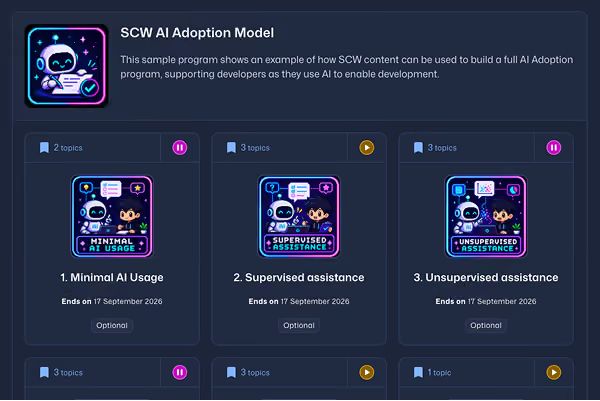
Secure Code Warrior Learning은 1단계의 보안 코딩 기초부터 8단계의 완전 자율 에이전트 거버넌스까지, AI 도입 곡선의 모든 단계에서 개발자에게 필요한 보안 역량을 구축합니다. 도구가 발전함에 따라 교육 내용도 함께 진화합니다. 개발자는 더 이상 존재하지 않는 과거의 방식이 아닌, 실제 업무 환경에 즉시 적용 가능한 AI 보안 기술을 습득하게 됩니다.

데모 신청하기
플랫폼 살펴보기

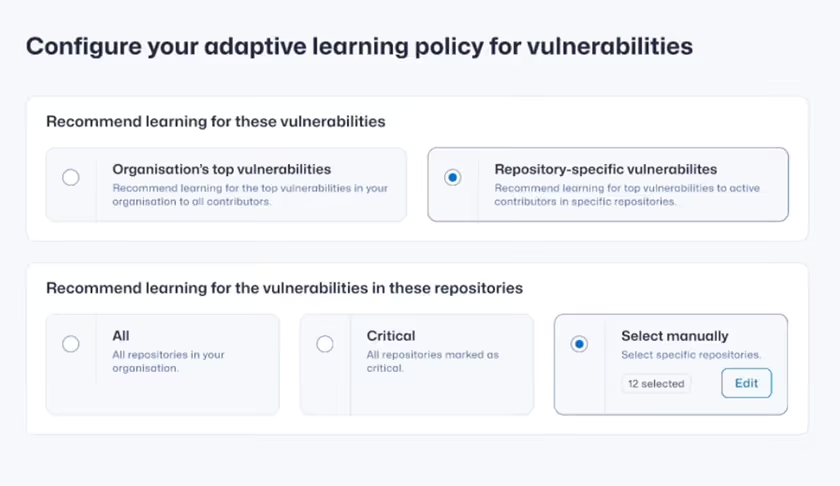
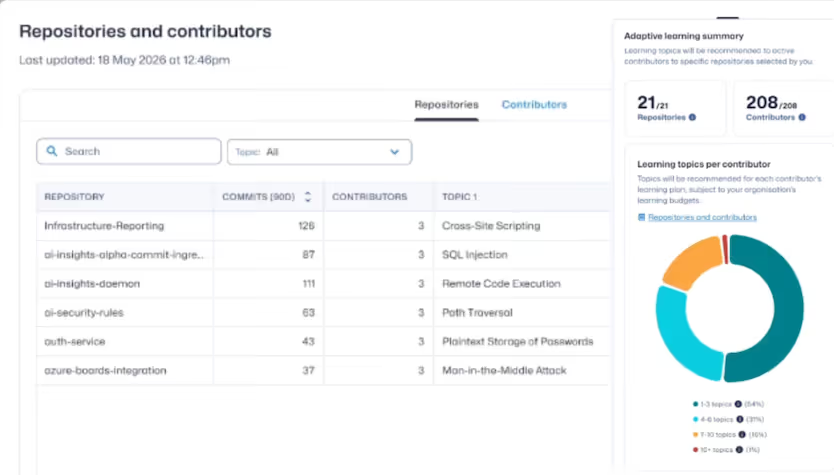
적응형 학습

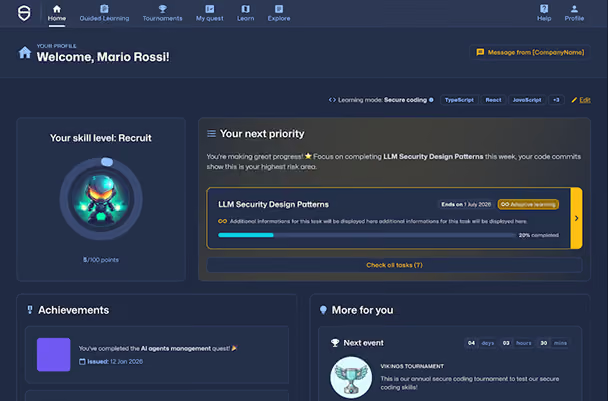
SCW는 개발자의 도구, 저장소, 행동에서 얻은 실제 신호를 바탕으로 각 개발자가 도입 곡선의 어느 지점에 있는지 자동으로 분류한 뒤, 적절한 시점에 알맞은 콘텐츠를 제공합니다. 수동 평가나 획일적인 프로그램은 필요 없습니다. 모든 개발자는 자신의 현재 수준에 맞는 명확한 시작점을 제공받으며, 숙련도 향상에 따라 학습 경로도 함께 진화합니다.

데모 신청하기
플랫폼 살펴보기

SCW Trust Agent

SCW Trust Agent는 AI가 프로덕션 코드에 기여하는 방식을 커밋 수준에서 가시화합니다. 과도한 신뢰 패턴을 감지하고, 위험 신호가 급증할 때 자동으로 적응형 학습을 트리거하며, CISO가 이사회, 감사인, 규제 기관에 진행 상황을 입증하는 데 필요한 거버넌스 보고 기능을 제공합니다.

데모 신청하기
플랫폼 살펴보기
더 알아보기

AI 도입 모델 백서

8단계 전 과정에 대한 상세 분석, 660개의 AI 생성 코드베이스에 대한 독자적인 벤치마킹 연구, 위험 변곡점 분석, 그리고 도입 단계별 거버넌스 권장 사항을 확인하세요.
백서 다운로드
개발자를 위한 AI 보안 교육 FAQ

안전한 AI 지원 개발의 시작은 개발자 역량에서 비롯됩니다

Secure Code Warrior가 팀의 안전한 AI 도입과 리스크 감소, 그리고 측정 가능한 개발자 역량 강화를 어떻게 지원하는지 알아보세요.

What is the SCW AI adoption model?

The SCW AI adoption model maps the full progression of AI use in software development across eight stages and three phases — AI-Assisted, AI-Native, and Agentic. It gives organizations a practical framework to identify where they sit on the adoption curve, what training developers need at each stage, and which governance controls are required as AI autonomy increases.

What are the three phases of AI adoption in software development?

The three phases are AI-Assisted, where AI supports development but humans remain primary authors; AI-Native, where AI takes over most code generation and human oversight begins to degrade; and Agentic, where autonomous agents direct other agents across the full development lifecycle and governance must be entirely policy-driven.

What is a risk inflection point in AI development?

A risk inflection point is a stage in the AI adoption curve where the nature of risk changes fundamentally — not just increases. The first occurs at Stage 3, when AI moves from supervised to unsupervised activity and invisible security debt begins accumulating. The second occurs at Stage 6, when multiple agents work in parallel and individual code review becomes physically impossible.

What is the Agentic Development Lifecycle?

The Agentic Development Lifecycle — the ADLC — is the governance framework built for a dynamic development environment where autonomous agents act independently, evolve over time, and generate code faster than traditional governance controls can track. It replaces the SDLC, which was designed for human-authored code built to a schedule.

Where do most organizations sit on the AI adoption curve today?

Most organizations are operating across Stages 2 through 4, often without having mapped it. At these stages, the productivity gains from AI are clear but governance gaps are becoming critical. The largest contingent of developers is expected to be working at Stages 3 through 5 by the end of 2026.

How do CISOs govern AI use by developers?

Effective AI governance for CISOs requires three things: visibility into how AI contributes to production code, training that builds developer capability at every stage of the adoption curve, and governance controls that evolve as AI autonomy increases. The SCW AI adoption model provides a structured framework for all three.

Why are secure coding skills more important in the age of AI?

Gartner's 2026 Hype Cycle for Secure Software Engineering notes that AI coding tools are making secure coding skills more important than ever. AI writes code for the problem it is given — if no one tells it to include authentication, it won't. Without skilled developers reviewing and directing AI output, vulnerabilities ship without anyone knowing they were introduced.

Can I create AI Adoption Model training programs in Secure Code Warrior?

Yes. Organizations can create AI Adoption Model training programs in Quests using recommended curriculum mapped to all eight stages of the model. Secure Code Warrior provides implementation guidance, stage-specific learning recommendations, learner targeting options, and downloadable assets to help teams operationalize the model. View the Knowledge Base.

아직도 궁금한 점이 있으신가요?

난감할 수 있는 고객을 사로잡기 위한 지원 세부 정보.

연락처

배포 전 AI 기반 개발 거버넌스 확보

소프트웨어 개발 수명 주기 전반에서 개발자 리스크를 파악하고, 정책을 시행하며, 취약점을 예방하세요.
데모 예약하기
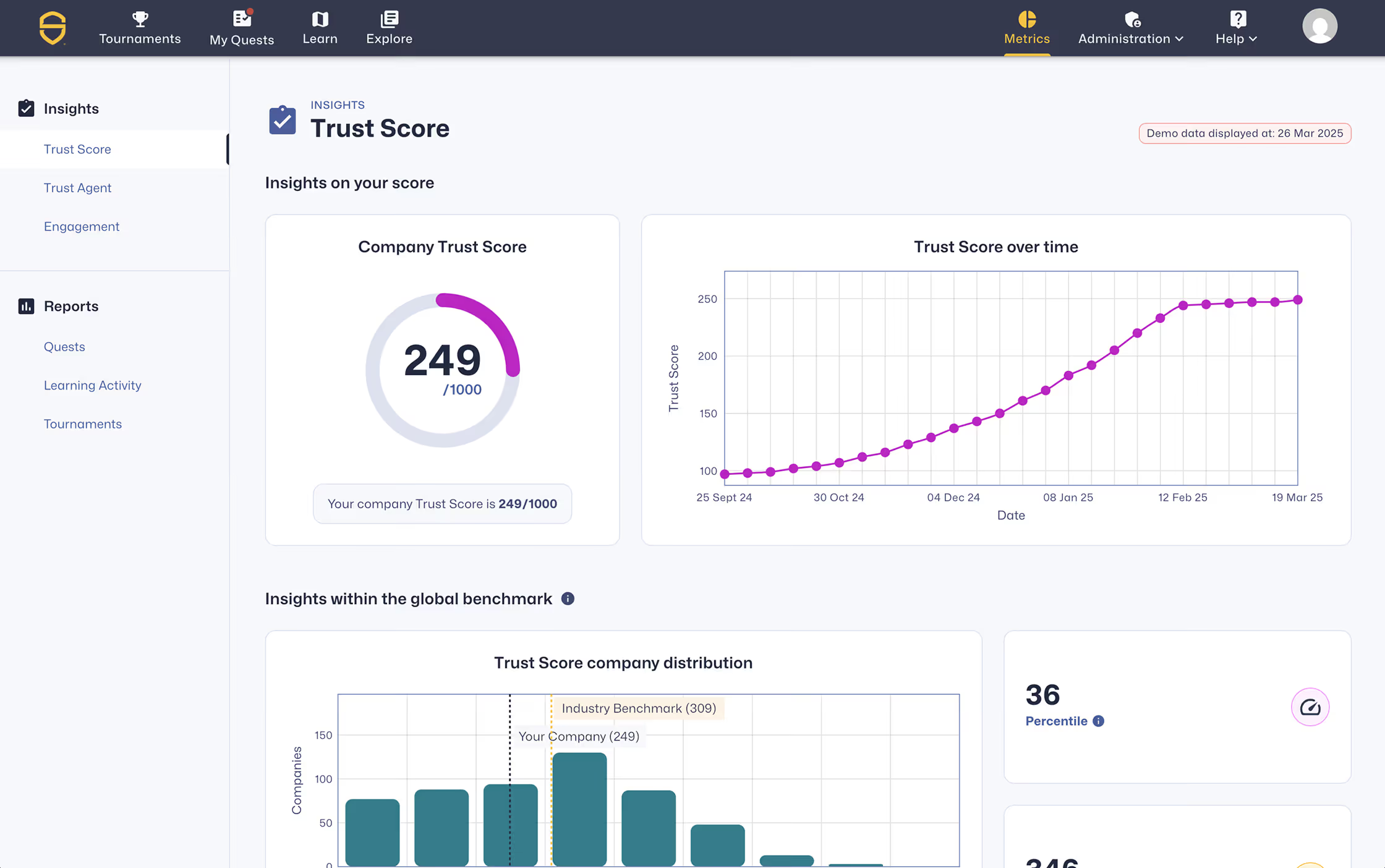
trust score