Think of Enabler 9 as transforming secure coding knowledge from a siloed training event into an omnipresent assistant. Not only does it help deliver context-based training to developers, but it also helps ensure data insights are hyper-relevant and more easily actionable.
Blog
Enabler 9: Developer Ecosystem Integration
October 15, 2026
Katelynd Trinidad
For a secure coding program to truly scale and become part of a development organization's DNA, learning cannot exist outside the tools and workflows developers use every day. Instead, learning should be an integrated experience delivered contextually when developers need it the most. This is the mandate of Enabler 9: Developer Ecosystem Integration.
Developer ecosystem integration also focuses on data & ecosystem integration, utilizing APIs to enrich an organization's internal data and embedding that enriched data directly into existing development workflows.
The Key to Context and Efficiency
The most successful secure coding programs tend to integrate their chosen training platform with other developer tools, embedding contextual training deeper into the developer workflow. Similar to Enabler 5: Certification Programs, this ensures that training is not a ‘one-and-done’ approach, but rather a context-based tool, delivering the right resources when and where developers need them.
For example, Secure Code Warrior offers integrations with Jira, GitHub, GitLab and much more to help provide training resources based on issues found in trackers as well as detected vulnerabilities. With this support available, developers can resolve vulnerabilities faster and continue their mastery of secure coding. Integrations ensure training is hyper-relevant, contextual, and non-disruptive, representing the most efficient use of a developer's time.
Key areas for integration include:
- Dev Tooling: Integrating training into core development tooling, such as issue trackers and DevOps platforms, allows developers to access training materials directly from their pre-established workflows.
- Learning Management Systems (LMS): Depending on whether your developers will access training directly from your chosen platform or from an internal LMS, integrating with an LMS can offer an ideal way to manage the learning experience. Assuming users are already familiar with training programs delivered in this way, LMS integrations offer continuity in the developer experience, making adoption easy. LMS integrations typically support assignment, reporting, and escalation/chase-up for non-completion of training.
- Data and Reporting: Many training platforms offer APIs for creating custom reports and dashboards. This allows you to easily see the data that is most important to you and your program, streamlining insight-driven decision-making.
Leveling Up Data Insights
The principle of integration extends beyond just workflow convenience; it is vital for gaining a comprehensive view of the program’s impact. By using APIs, program managers can enrich program data with their own internal information to create sophisticated dashboards.
This process connects the learning activity (e.g., activities completed, certifications earned) with internal organizational metrics, ensuring the secure coding program remains tied to the Success Criteria defined in Enabler 1.
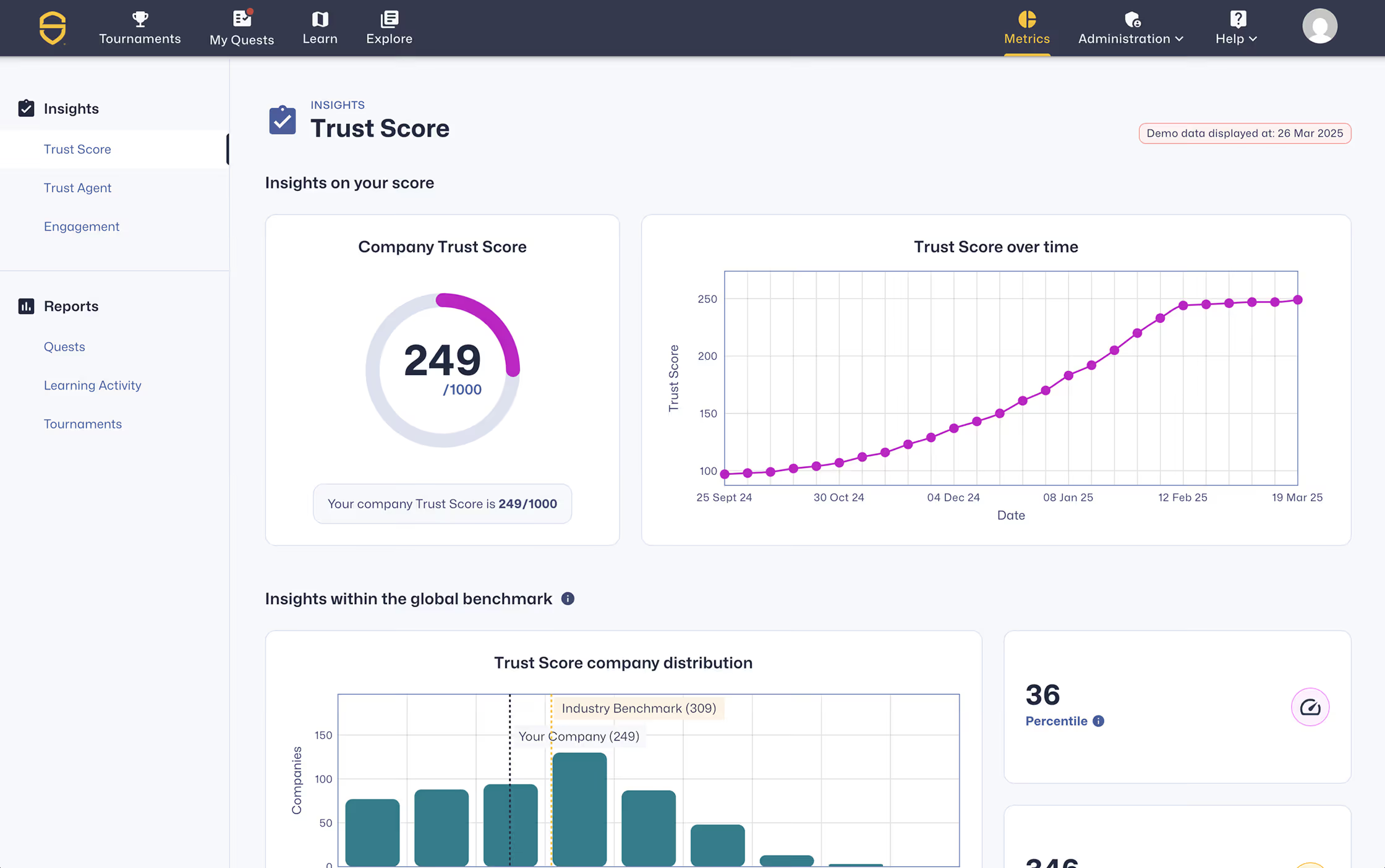
Another example is SCW Trust Agent, which brings together powerful insights so you can take action by configuring secure coding skill requirements for code contributors across all your repositories.

In our next post, we will review our tenth and final enabler, Training Linked to Career Progression, discussing how you can incentivize developers to engage with your secure coding program for their own personal and professional development.
You can also check out last month's blog on Enabler 8: Branding Your Program here.
Have additional questions?
Customers can contact the account team or support@securecodewarrior.com. Prospective customers can speak with a member of our sales team by contacting us here.
Govern AI-driven development before it ships
Measure AI-assisted risk, enforce secure coding policy at commit, and accelerate secure delivery across your SDLC.
Resource library
Explore more blogs
Access expert content on secure coding, AI governance, and software risk management.

Blog
Filter Label
This is some text inside of a div block.
Cybersecurity Awareness Month 2026: Understanding AI Security Is Critical to Enterprise Defense
We’ve reached a point where most top AI companies have publicly called for a global slowdown in AI development so safety guardrails can catch up, but the truth is, serious security issues have already come to fruition. This leaves countless security leaders and executive teams in an urgent position, as the monetary and risk costs of AI implementation keep piling up.

Secure AI-driven development before it ships
See developer risk, enforce policy, and prevent vulnerabilities across your software development lifecycle.
No items found.