For an extra touch of developer input and participation, you could put program themes to a vote across the developer community so they can have their say.
Blog
Enabler 8: Branding Your Program
September 16, 2026
Katelynd Trinidad
A secure coding program can be technically flawless, but if it doesn't resonate emotionally or competitively with developers, adoption will suffer. This is where Enabler 8: Branding Your Program comes in, transforming a mandatory task (or even optional resource) into a coveted experience.
Not only is program branding necessary for establishing recognition amongst the developer community, but it is also a great opportunity to inject some fun into your developers’ experience, making the program something everyone wants to be a part of.

Why Your Program Needs a Brand
When done effectively, branding helps your secure coding program become part of the embedded consciousness of the developer community or "a thing" that every developer "just knows about". Program branding can be simple, sticking to your organization's established branding. Or you can make things more fun with a whimsical theme, play on words, or even a mix of organizational branding and secure coding themes.

Whatever branding or theme you land on, it must be recognizable, relatable, and create a quick, easy association among developers. Along with a program name, you’ll also need a logo for badges, certificates, and other materials. Bonus points for easy-to-remember acronyms like ASC for Application Security Champion!
Creating Aspirational Achievement
Effective branding translates program requirements into aspirational goals that tap into the competitive instincts and technical ego of the development community.
A strong brand fuels conversation among peers, creating organic program socialization. You want developers saying things to each other such as "I am an ASC Level 1," or even, "Have you done your ASC Level 2 yet?"
This dynamic shifts the focus from mandated training to achieving an exclusive status, with specific security levels or certifications giving developers elevated status and credibility among peers.
Leveraging Teams and Tools
You don't have to build your brand alone. Your internal Marketing & Communications teams can play a major role in the process. These teams have experience implementing communications and awareness campaigns at scale for internal training and possibly even cybersecurity initiatives. Why not leverage their expertise and internal processes when developing your secure coding program?
That said, internal teams may have competing priorities or lack the capacity to take on additional projects. Multi-use AI tools like Gemini and Chat GPT or dedicated design platforms like Canva can help you quickly and easily create program collateral like logos and badges based on your specifications.
By providing your organization’s logo, brand colors, and any other requested themes and styling, you can refine generated images with prompts like the examples below:
- Create a badge for a secure coding program using the following logo and colors. The badge should be ______ themed and include ______.
- Based on this badge, create badges in the same style for four different program levels.
- With the provided branding guidelines, create certifications featuring the program badges.
See example logos and badges created in Gemini below:
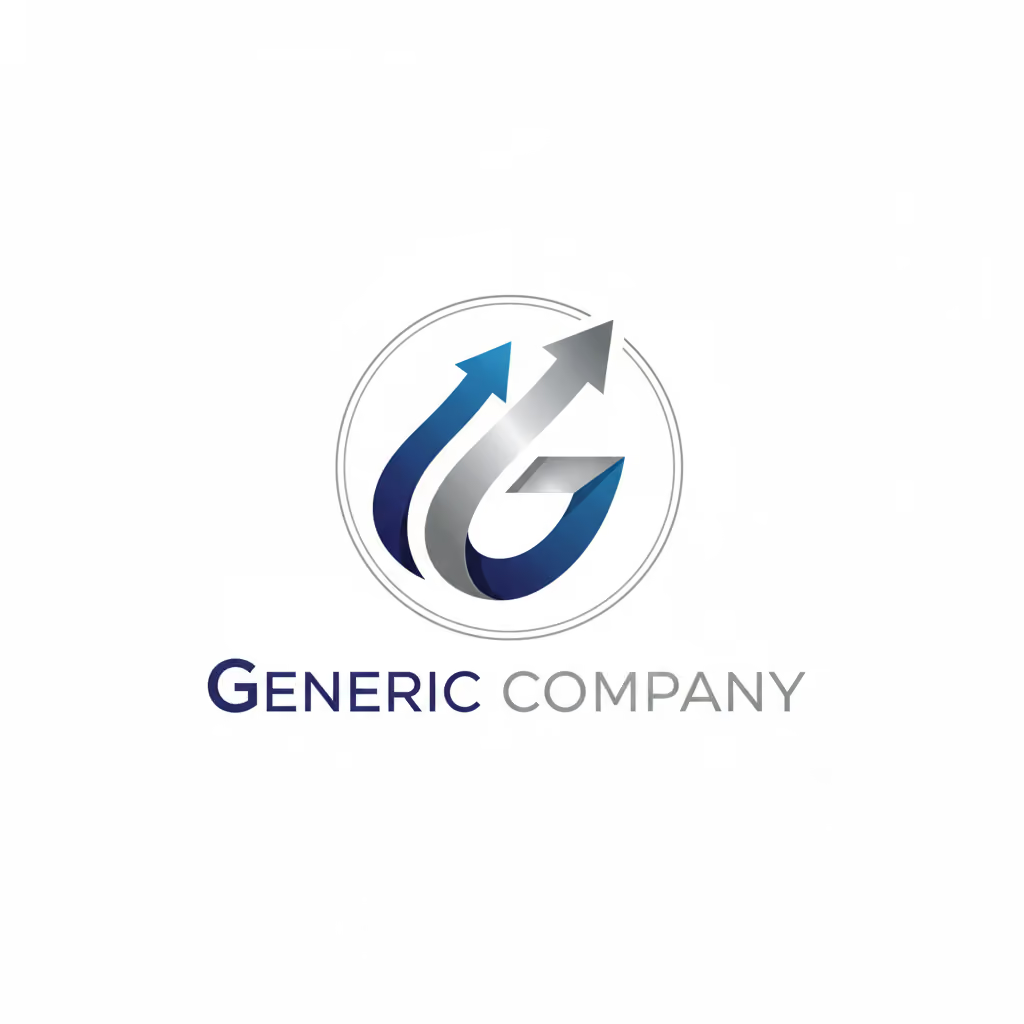
Company Logo
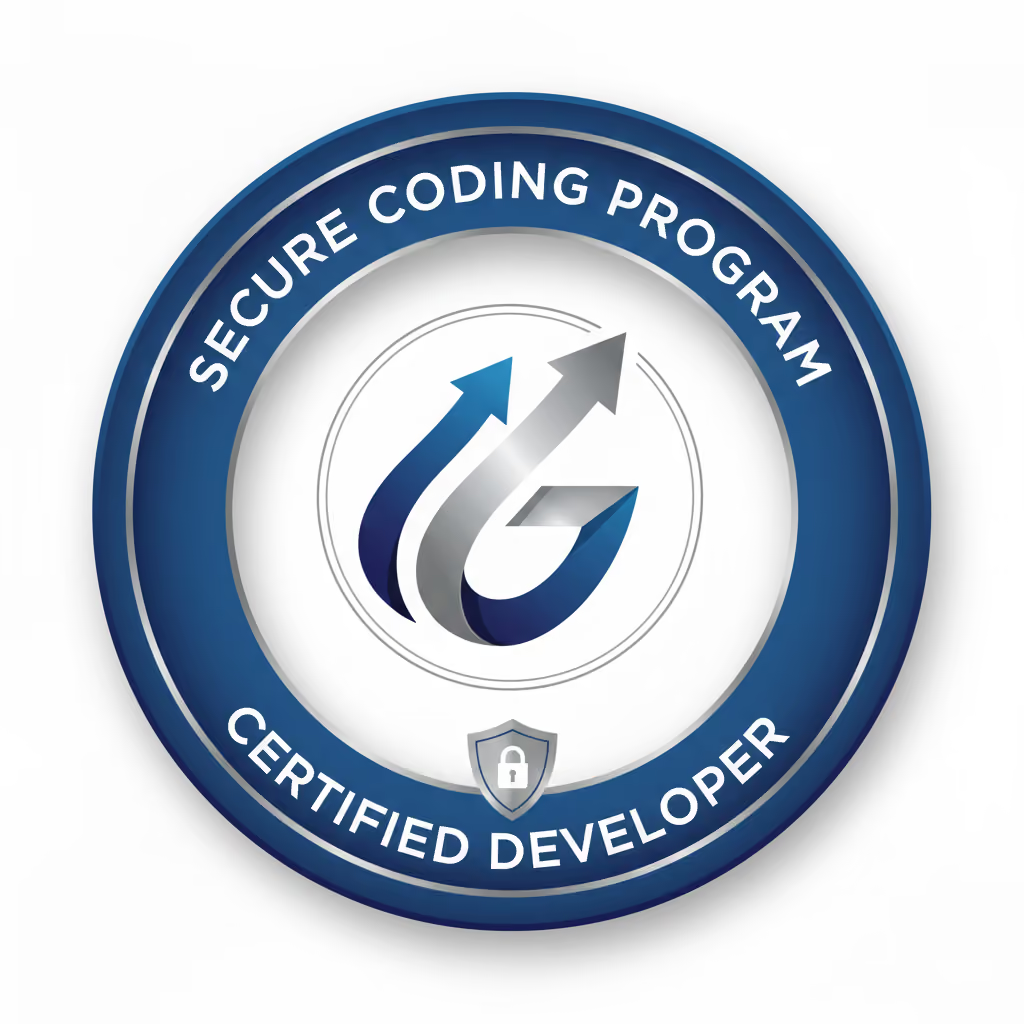
General Program Badge
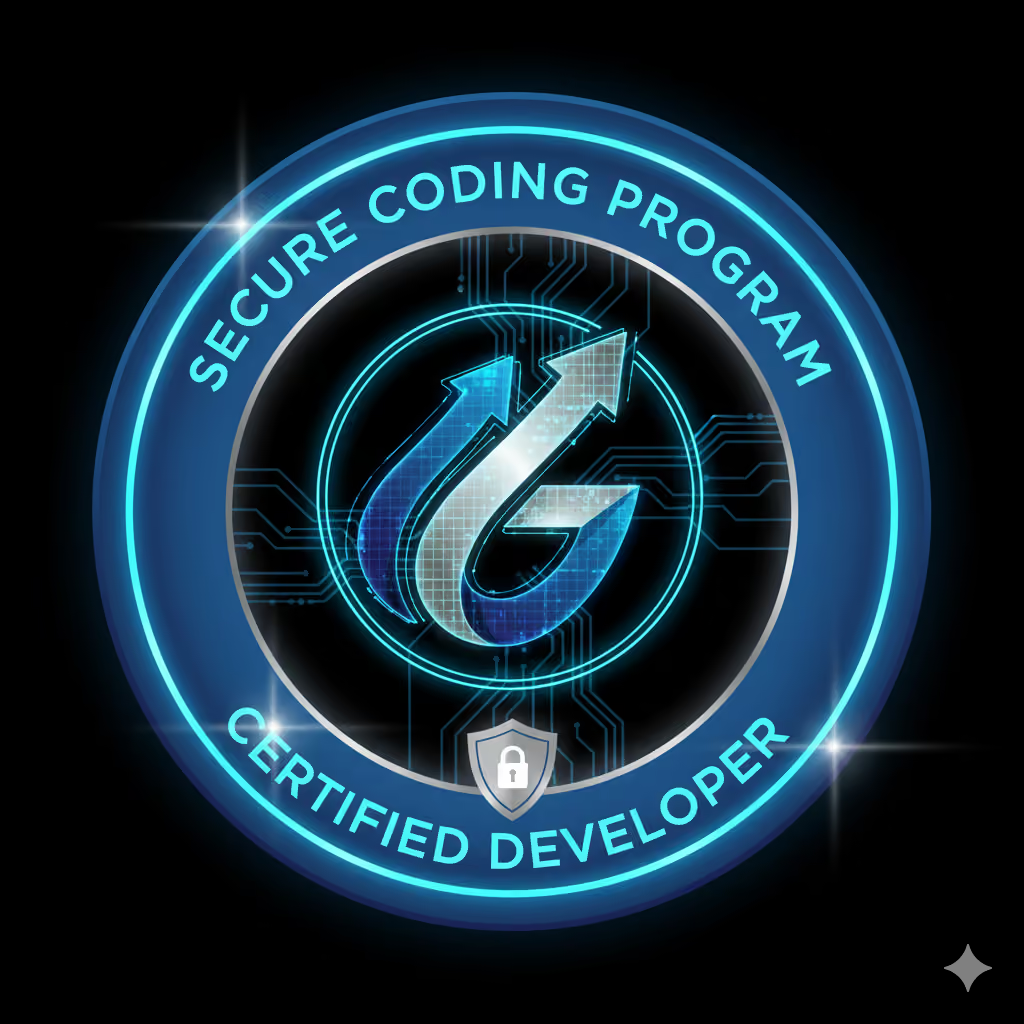
Tron Themed Badge
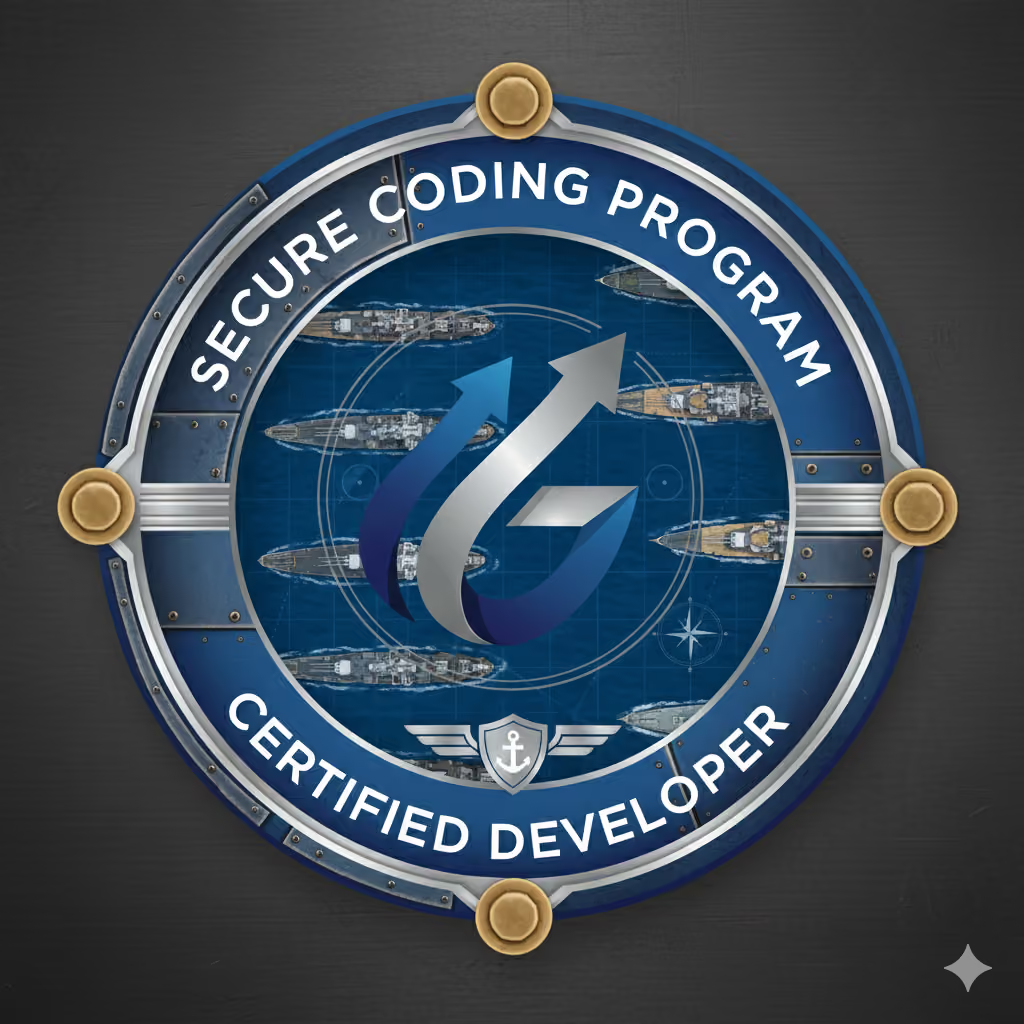
Battleship Themed Badge
Enabler 8 is all about packaging highly valuable technical knowledge into a desirable product. While the product (curriculum, learning platform, and developer time investment) delivers the skill, the packaging (program brand) sells the desirability and prestige of the achievement, ensuring developers don't just participate but actively seek out the status associated with success.
In our next post, we’ll explore Enabler 9: Developer Ecosystem Integration, discussing the use of APIs and integrations to enrich data and embed secure code training into existing development workflows.
You can also check out last month's blog on Enabler 7: Developer Recognition here.
Have additional questions?
Customers can contact the account team or support@securecodewarrior.com. Prospective customers can speak with a member of our sales team by contacting us here.
Govern AI-driven development before it ships
Measure AI-assisted risk, enforce secure coding policy at commit, and accelerate secure delivery across your SDLC.
Resource library
Explore more blogs
Access expert content on secure coding, AI governance, and software risk management.
.avif)
Blog
Filter Label
This is some text inside of a div block.
Every Employee is Now on the Frontline of AI Cybersecurity
The enterprise technology landscape is shifting with a velocity few predicted until it was too late. We have officially crossed the threshold from human-written code and basic copilot assistance, into the era of the Agentic Development Lifecycle (ADLC). While autonomous AI agents promise unprecedented efficiency across multiple functions, they also bring an entirely new class of security and regulatory risks.
Secure AI-driven development before it ships
See developer risk, enforce policy, and prevent vulnerabilities across your software development lifecycle.
No items found.