Stop AI software risk before it starts

Ship secure, high-quality code at every commit – no matter who (or what) wrote it.

Book a demo
AI Software Governance

Adopt AI-driven development with confidence

Visibility into shadow AI. Audit-ready traceability for every commit — human or agent. Adaptive learning that turns every finding into stronger secure-coding capability. SCW is the AI Software Governance platform built for the agentic era.

Operationalize AI governance across software development.

Enable AI-assisted development while maintaining security oversight. Gain visibility into AI usage, apply governance workflows at commit, and align development practices with enterprise risk thresholds.

Securely scale AI software development

  • Gain enterprise-wide visibility into AI-assisted development
  • Strengthen secure coding capability across engineering teams
  • Train developers to safely review AI-generated code
AI Governance
get a demo
explore the platform

Prevent AI-introduced vulnerabilities at commit.

Make AI usage visible, apply secure coding guardrails at commit, and align AI-assisted development with security standards to prevent vulnerabilities across human and AI-generated code.

Reduce introduced vulnerabilities by 53%+

  • Build secure coding capability across development teams
  • Deliver policy-aligned guidance directly in developer tools
  • See how AI-generated code impacts software risk
Security popout
get a demo
explore the platform

Scale AI development without slowing delivery.

Make AI-assisted development secure and measurable — reducing rework, avoiding security review bottlenecks, and enabling teams to ship faster with confidence.

Reduce MTTR by up to 82%

  • Improve developer security skills with adaptive learning
  • Deliver real-time guidance inside developer tools
  • Fix vulnerabilities earlier to reduce cost of rework
Engineering
get a demo
explore the platform
Why we’re awesome

Secure and built for the tools you already use
image 15
image 16
image 17
image 18
*In progress
Total interactive learning activities
11k+
Vulnerability topics & security concepts
650+
AI / LLM focused learning activities
800+
Coding languages and frameworks
75+

Our latest content

Blog
May 18, 2020
Coders Conquer Security Infrastructure as Code Series: Plaintext Storage of Passwords

The key to most computer security these days involves passwords. Even if other security methods are employed, like two-factor authentication or biometrics, most organizations still employ password-based security as one element of their protection.

Blog
May 15, 2020
Webinar: Are you ready to put the "Sec" in DevOps?

We must get to a stage where security is seen as a shared responsibility across the entire organization, and throughout the SDLC. This is certainly possible when you commit to a fully-fledged, highly supportive DevSecOps environment.

Blog
May 11, 2020
Coders Conquer Security Infrastructure as Code Series: Missing Function Level Access Control

Without infrastructure-level access control in perfect order, it opens up an entire enterprise to attackers, who can use that vulnerability as their gateway for either unauthorized snooping or a full attack.
Blog
May 4, 2020
Coders Conquer Security Infrastructure as Code Series: Disabled Security Features

Attackers will always attempt to find easily exploitable vulnerabilities first and may even use a script to run through common weaknesses. It's not unlike a thief checking all the cars on a street to see if any doors are unlocked, which is a lot easier than smashing a window.

Blog
April 17, 2020
Turning boring PCI-DSS compliance into a meaningful exercise for everybody: Part 2 - CISOs and developer awareness

This is part 2 of a mini-series on PCI-DSS compliance within an organization. In this final chapter, we detail how CTOs and CISOs can lead from the top in reducing cyber risk and making the process seamless, successful... and maybe a little fun for developers.

Blog
April 16, 2020
Turning boring PCI-DSS compliance into a meaningful exercise for everybody: Part 1 - AppSec

This is part 1 of a two-part series on successful PCI-DSS compliance within an organization. In this chapter, we detail how AppSec specialists can work closely with development managers to empower developers, strengthen the SSDLC and get specific outcomes from general legislation.

Blog
April 6, 2020
The future of cybersecurity: What WON'T be happening in the year to come

In our industry, many security experts have started predicting the hot-button issues for the year, but with more than five billion sensitive data records stolen in 2019, we figured it would be more accurate to predict what won't be happening in cybersecurity in the foreseeable future.


Blog
March 25, 2020
Shifting left is not enough: Why starting left is your key to software security excellence

Much of the initiative around "shifting left", that is, introducing security much earlier in the development process, simply doesnt move the needle far enough.

Blog
March 5, 2020
DevSecOps in DACH: Key findings from secure coding pilot programs

With the advent of GDPR, as well as a revised strategy following a multi-stage attack that exposed the sensitive data of many public figures - as well as servers in the German federal government - it is clear that cybersecurity awareness and action are front-of-mind for leaders in the DACH region.

Blog
February 28, 2020
How to Become a Kick-Ass DevSecOps Engineer

The world is starting to move on past Waterfall, Agile, and now DevOps, so what is the next solution? And as a developer, what is your role in keeping pace with these changes in approach?

Observability

Make AI-driven development risk visible

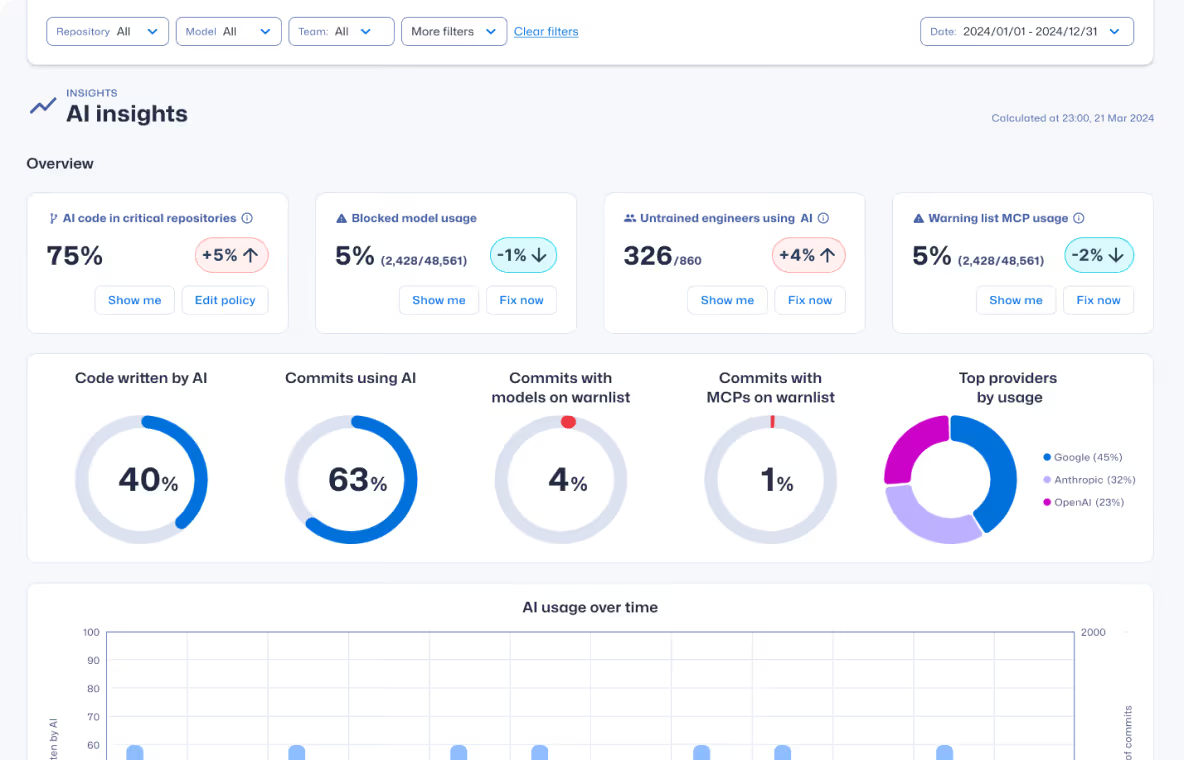
See how AI coding is used, the risk it creates, and the behavior behind it—so you can stop vulnerabilities before they ship.

Learn more
Read Case study

"The security champion network has been seen as a key control of that program. For one team the impact felt was enormous - with an 82% reduction in mean time to fix a vulnerability."

Mads Howard
People-Centered Security Lead at Sage

Discover shadow AI

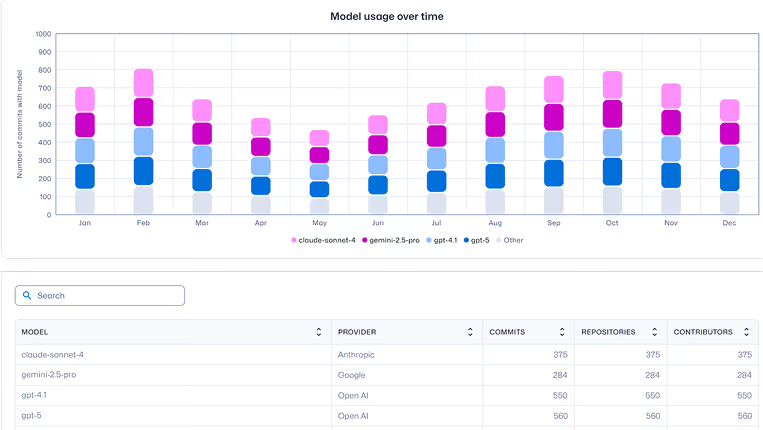
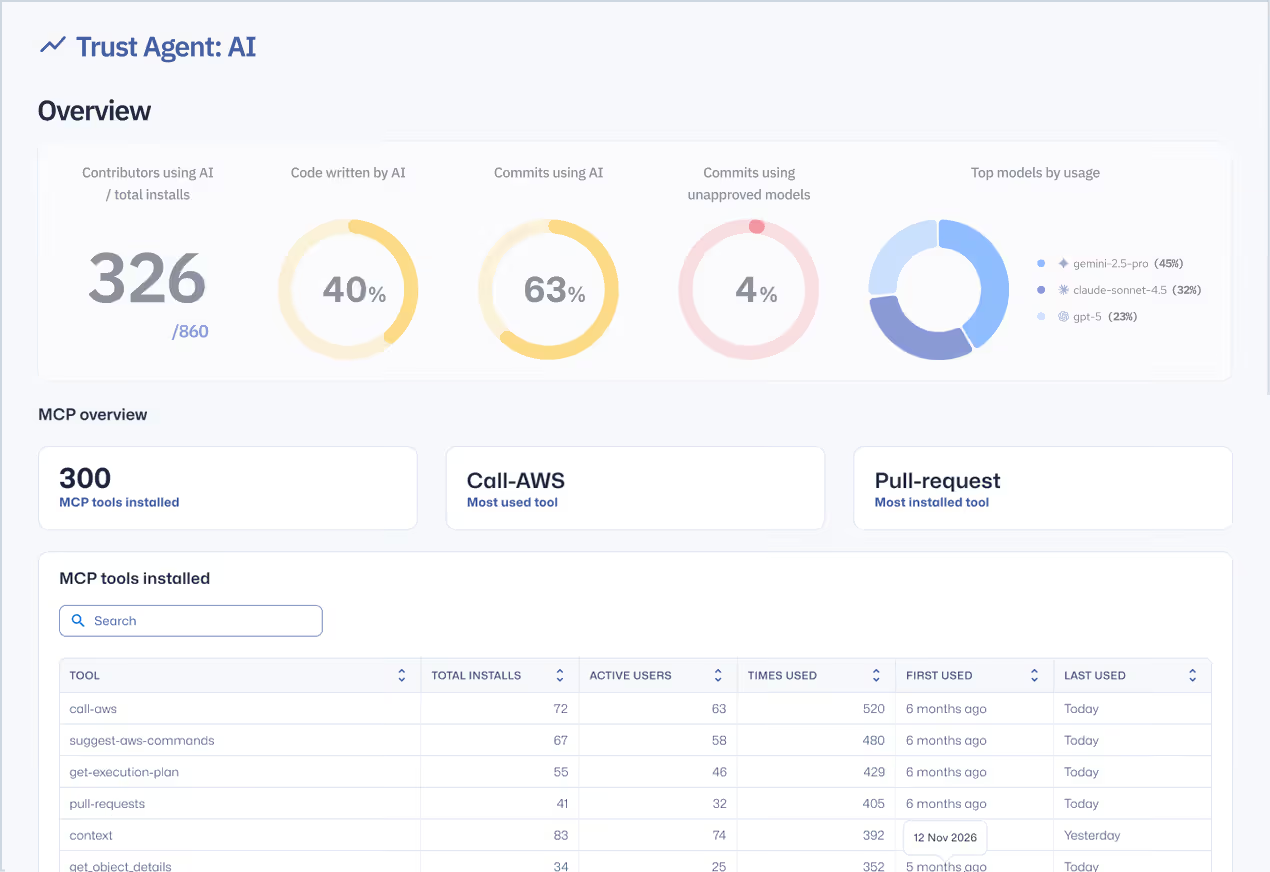
See which AI tools, LLMs and MCPs are being used across your teams.

Learn more

Correlate true risk

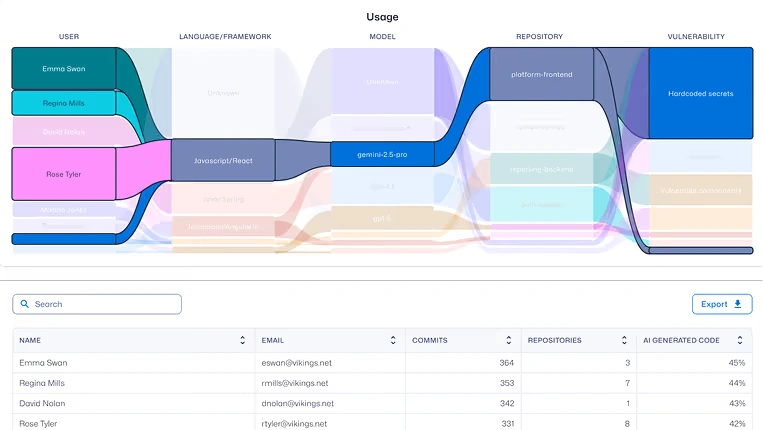
Connect AI-assisted code with developer skill and introduced vulnerabilities at commit.

Learn more

Trace AI tool usage

Understand where AI-assisted development occurs—by repository, project, and contributor.

Learn more
distribution chart

Prioritize risk signals

Highlight the most urgent commit-level risk hotspots across teams and repositories.

Learn more
Learning

Reduce vulnerabilities at the source

Hands-on secure coding and AI security learning delivered in real-world developer workflows — helping organizations reduce vulnerabilities by 53%+.


Learn more
Read Case study

“Our partnership with Secure Code Warrior has been smooth and productive. They helped us implement and improve our training program, resulting in measurable risk reduction and a stronger culture of secure development.”

Sebastiaan Rijnbout
Product Owner of Development Services 
at Kamer van Koophandel

Gamified hands-on learning

Interactive play modes – including Labs, Quests, Missions, and Tournaments – build secure coding habits.

Learn more

Secure AI code development

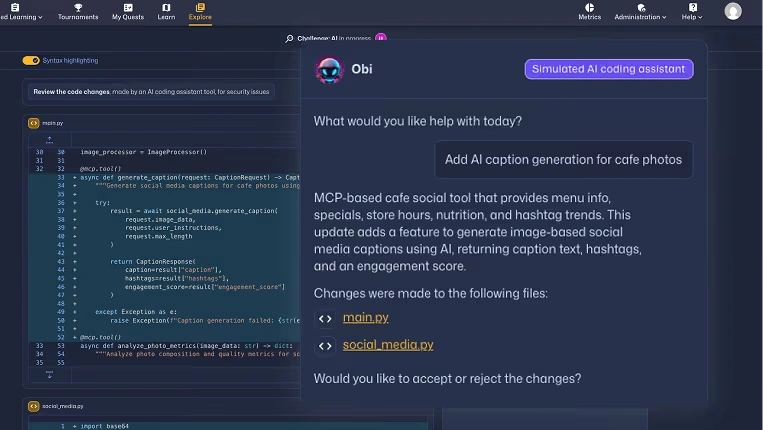
Over 800 AI, LLM, and MCP activities teach developers to validate AI-generated code safely and efficiently.

Learn more

Empower teams to optimize

Embed a security mindset into your development process with learning beyond developer training.

Learn more

Benchmark your security program

Understand how your program compares to peers and define standards aligned to your risk strategy.

Learn more
Governance

Scale AI-driven development with confidence

Gain visibility into how AI contributes to your code, connect activity to real risk, and align development to enterprise standards — so you can reduce risk and prove trust before code reaches production.

Learn more
Read Case study

“Secure Code Warrior has helped us increase developer productivity, accelerate our ability to bring products and improvements to market, and significantly reduce costs and risk over time.”

Alan Osborne

Chief Information Security Officer at Paysafe

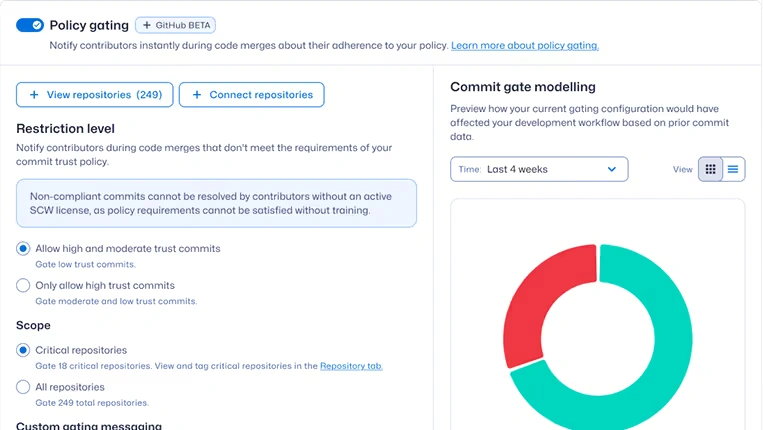
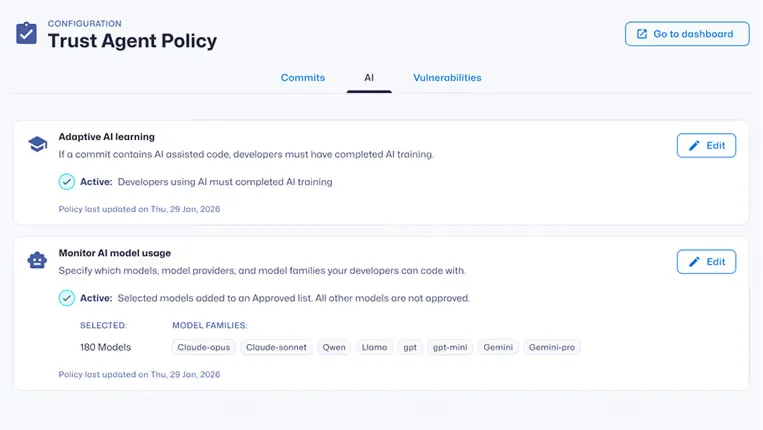
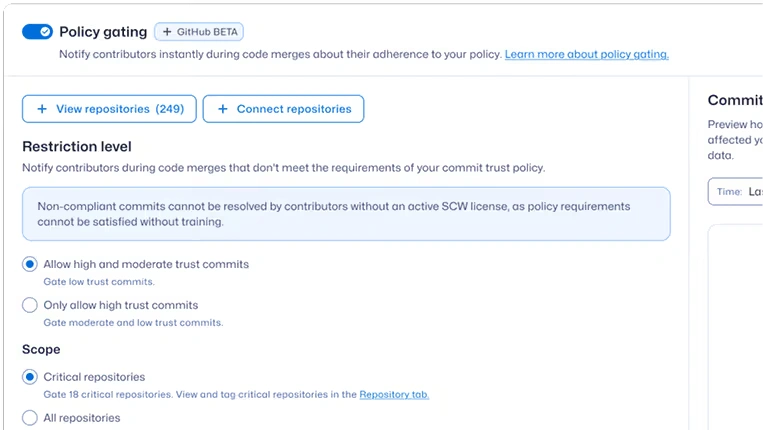
Govern AI coding policies

Bring governance visibility to AI-assisted development and help teams consistently meet secure coding standards.

Learn more

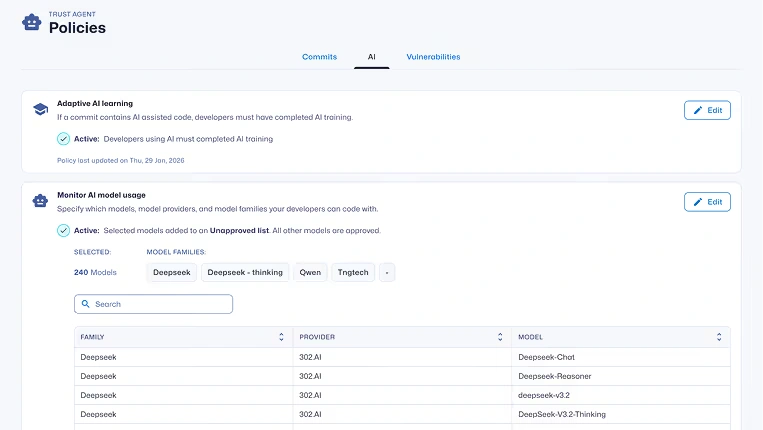
Set AI usage policies

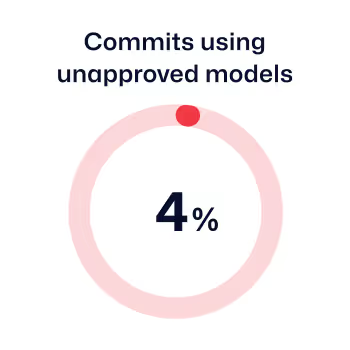
Restrict usage to authorized AI tools, LLMs, and coding agents at the point of commit.

Learn more

Flag risk signals

Highlight AI usage and policy misalignment to support secure development decisions.

Learn more
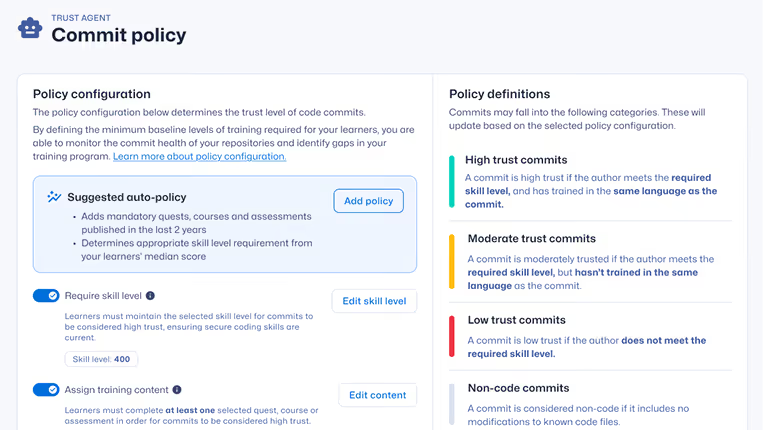
Commit policy

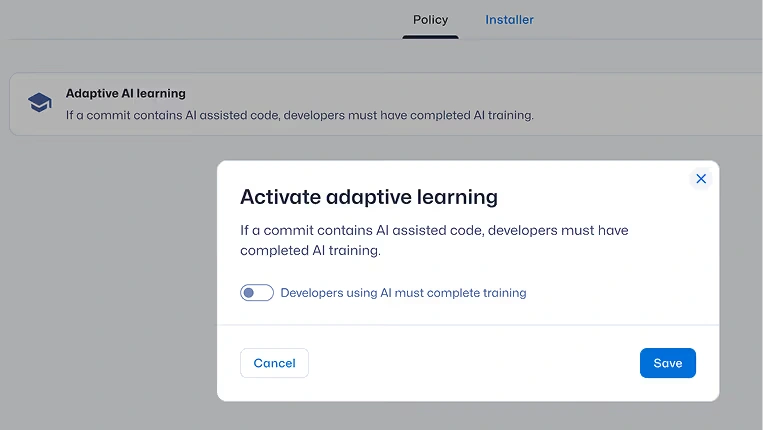
Trigger policy remediation

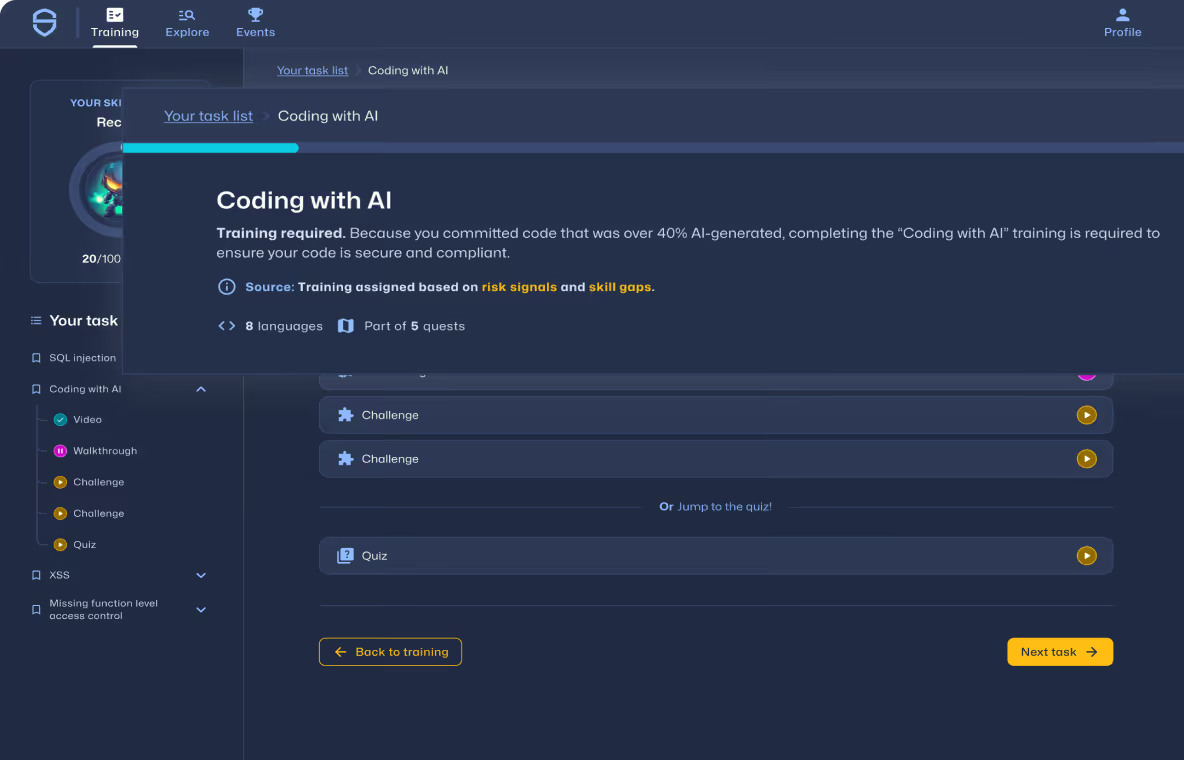
Assign targeted adaptive learning when risky behavior or unauthorized AI use is detected.

Learn more

Govern AI-driven development before it ships

See developer risk, enforce policy, and prevent vulnerabilities across your software development lifecycle.
Book a demo
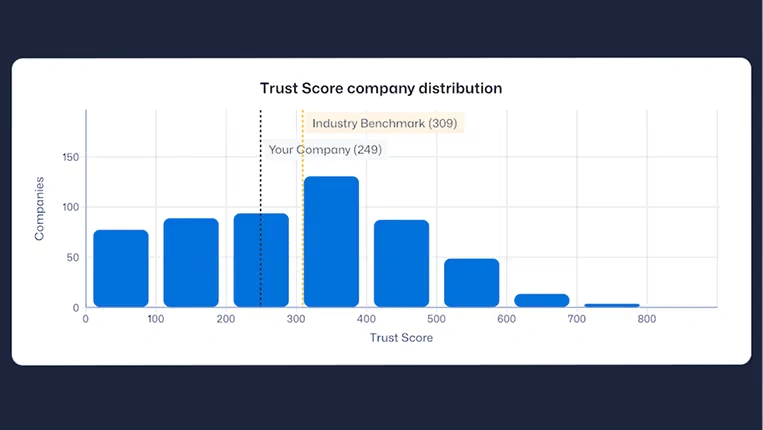
trust score
AI software governance FAQs

Understand AI software governance and how to reduce AI-driven software risk

Learn what AI software governance is, why it matters, and how Secure Code Warrior helps organizations safely adopt AI-assisted development.

What is AI software governance?

AI software governance is the ability to see, measure, control, and enforce how artificial intelligence is used in software development. It includes visibility into AI coding assistants and LLMs, commit-level risk analysis, policy enforcement, and preventing risky AI-generated code from reaching production.

Why is AI software governance important?

As organizations move from developers casually using AI chatbots to AI agents autonomously generating and modifying code, the risk surface expands dramatically. These tools can introduce vulnerabilities, insecure patterns, and compliance exposure at machine speed.

AI software governance enables organizations to adopt AI safely by making AI usage visible, enforcing policy controls, and preventing AI-introduced risk before code reaches production.

How is AI development governance different from DevSecOps?

DevSecOps integrates security testing into CI/CD pipelines to detect vulnerabilities. AI development governance goes further by making AI usage visible, correlating AI-assisted commits with developer skill, enforcing AI model policies at commit, and improving secure coding behavior. DevSecOps detects risk; AI governance prevents it.

How does Secure Code Warrior reduce AI software risk?

Securing AI-generated code requires visibility into AI tool usage, commit-level risk analysis, and governance oversight across development workflows. Secure Code Warrior provides AI observability, vulnerability correlation, and developer capability insights within a unified AI software governance platform.

How do you prove AI risk reduction to leadership or auditors?

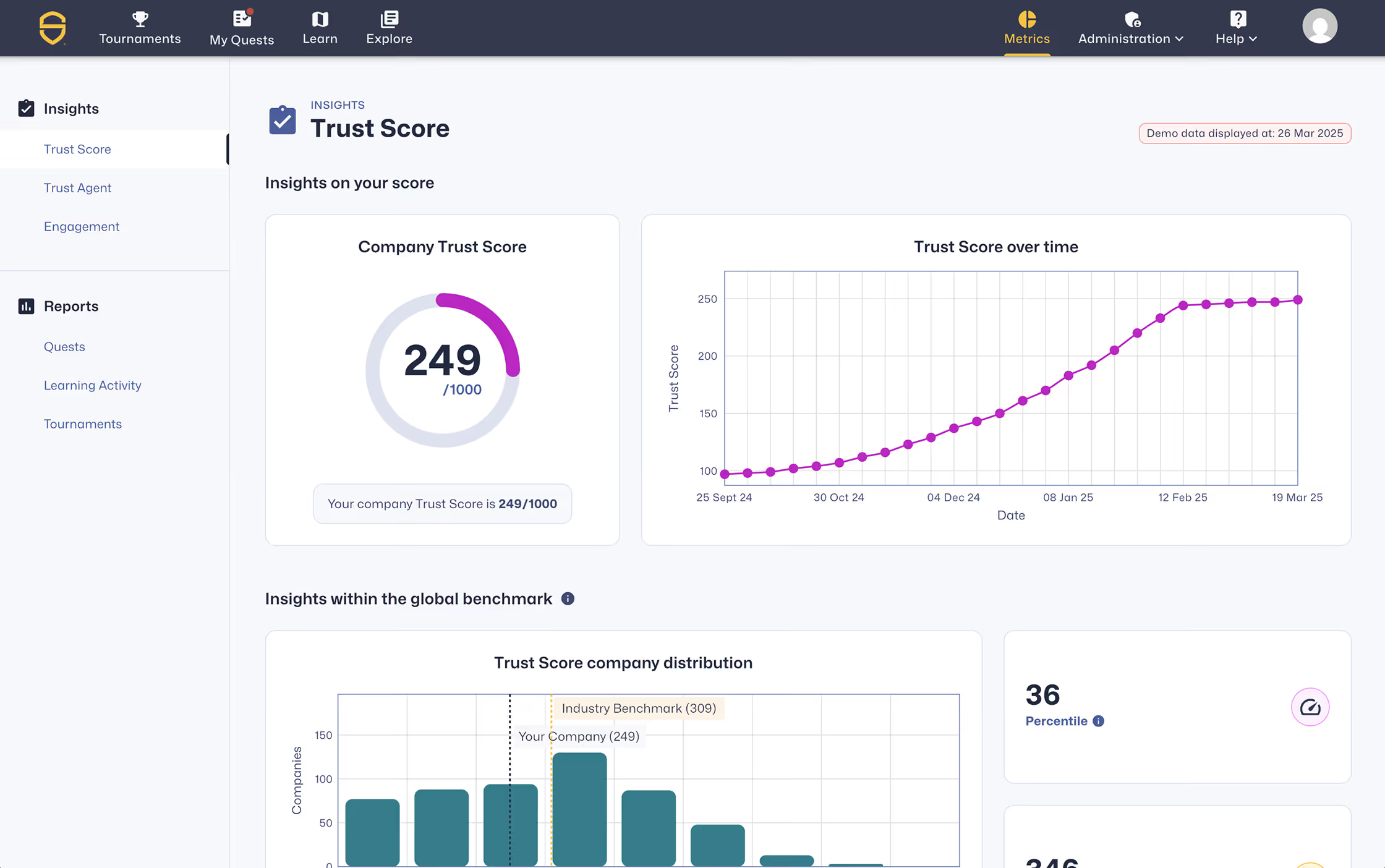
Secure Code Warrior provides enterprise dashboards, AI model traceability, and governance reporting that demonstrate measurable reductions in introduced vulnerabilities, improved developer Trust Score®™ metrics, and policy compliance across teams.

The platform also maintains audit-ready traceability of who — or what — generated specific code, including developers, AI coding assistants, LLMs, and autonomous agents. This creates verifiable AI software supply chain accountability for leadership, regulators, and auditors.

Still have questions?

Support details to capture customers that might be on the fence.

Contact