사이버 복원력 법 해설: 설계부터 보안(Secure by Design) 소프트웨어 개발의 의미
사이버 복원력 법은 EU 기반 기업뿐만 아니라 유럽 시장에 디지털 제품을 판매하는 모든 기업에게 전략적 우선순위가 되고 있습니다. 규정 준수 기한은 2027년까지이지만, 엔지니어링 및 보안 팀은 이미 설계 단계부터의 보안 관행, 취약점 처리, 개발 역량에 대한 근본적인 고민을 시작했습니다.
문서화와 감사에 중점을 두는 많은 규제와 달리, CRA는 안전한 소프트웨어 설계 및 개발을 규정 준수의 핵심으로 삼고 있습니다. 설계 단계부터의 보안 역량에 조기에 투자하는 조직은 더 빠르게 규정을 준수할 수 있으며, 제품 보안이 구매 결정의 핵심 요소가 되는 시장에서 경쟁 우위를 확보할 수 있습니다.
사이버 복원력 법의 요구 사항
사이버 복원력 법(CRA)은 소프트웨어, 운영 체제, 연결된 장치 및 임베디드 시스템을 포함하여 EU 시장에 출시되는 디지털 구성 요소가 포함된 대부분의 제품에 대한 기본 사이버 보안 요구 사항을 도입합니다.
더 중요한 점은 책임 소재가 바뀐다는 것입니다.
보안은 더 이상 런타임이나 운영상의 문제에 국한되지 않습니다. CRA에 따라 보안은 아키텍처, 구현, 유지 관리 및 취약점 처리를 아우르는 설계 및 개발 단계의 의무가 됩니다.
엔지니어링 및 보안 리더에게 이는 다음을 의미합니다:
- 제품은 설계 단계부터의 보안 원칙에 따라 구축되어야 함
- 알려진 취약점은 가능한 한 예방하고 효과적으로 처리해야 함
- 조직은 안전한 개발 관행이 적용되고 있음을 입증해야 함
요컨대, 규정 준수는 개발자가 코드를 작성하고 유지 관리하는 방식과 분리될 수 없습니다.
CRA 적용 대상
EU에서 도입했지만, CRA는 적용 대상 디지털 제품을 EU 시장에 출시하는 전 세계 모든 조직에 적용되며, 여기에는 다음이 포함됩니다:
- 서비스가 대상 제품의 원격 데이터 처리 구성 요소로 기능하는 소프트웨어 공급업체 및 SaaS 제공업체
- 디지털 또는 연결된 제품 제조업체
- 수입업체, 유통업체 및 소매업체
- 타사 디지털 구성 요소를 포함하는 조직
글로벌 기업에게 CRA 준비는 단순한 지역적 규정 준수 활동이 아니라 국경을 초월한 개발 요구 사항입니다.
조직들이 지금 시작하는 이유
주요 일정:
- 2026년 9월 – 취약점 보고 의무 시작
- 2027년 12월 – 전체 규정 준수 의무화
서류상으로는 이 일정이 여유로워 보일 수 있습니다. 하지만 현실적으로 개발 체질 개선은 분기 단위가 아닌 수년에 걸쳐 이루어집니다.
설계 단계부터의 보안은 단순한 정책 업데이트가 아닙니다. 다음이 필요합니다:
- 수천 명의 개발자가 다양한 언어와 팀에서 역량을 강화하도록 지원
- 일상적인 워크플로우에 '설계부터 보안(Secure by Design)' 기대치 내재화
- 사후 대응적인 취약점 해결에서 예방 중심의 보안으로 전환
- 안전한 개발 관행이 일관되게 적용되고 있음을 입증할 측정 가능한 증거 생성
이러한 변화는 채용, 온보딩, 아키텍처 결정, SDLC 프로세스 및 엔지니어링 문화 전반에 영향을 미칩니다. 2026년 말까지 대응을 미루는 조직은 규제 압박 속에서 뒤늦게 역량을 갖추려 할 것이며, 이는 훨씬 더 큰 비용과 혼란을 초래하는 길입니다.
규제 준수 실패는 상당한 재정적 위험을 수반합니다. CRA 제64조에 따라 필수 사이버 보안 요구 사항을 위반할 경우, 최대 1,500만 유로 또는 전 세계 연간 매출액의 2.5%에 달하는 과징금이 부과될 수 있습니다.
2026년 말까지 기다리는 것은 너무 늦습니다.
CRA는 궁극적으로 개발자 역량에 관한 도전 과제입니다
많은 규제가 정책과 문서화에 초점을 맞추지만, CRA는 한 걸음 더 나아가 규제 준수를 소프트웨어 설계 및 구축에 사용되는 실제 관행과 연결합니다. 이는 보안 개발을 단순한 거버넌스 요구 사항이 아닌 운영 원칙으로 격상시킵니다.
엔지니어링 리더에게 있어 규제 준수 여부는 개발 팀이 다음과 같은 보안 관행을 일관되게 적용하는지에 달려 있습니다.
- 일반적인 취약점 유형 이해
- 안전한 설계 및 아키텍처 원칙 적용
- 보안에 취약한 구현 패턴 회피
- 타사 및 오픈 소스 구성 요소의 책임 있는 관리
보안 도구는 문제를 탐지하는 데 중요한 역할을 합니다. 하지만 도구는 코드가 작성된 후에 약점을 드러낼 뿐입니다. '설계부터 보안'을 실현하려면 개발자가 애초에 취약점을 예방해야 하며, 이를 팀, 언어, 제품 전반에 걸쳐 일관되게 수행해야 합니다.
도구만으로는 이를 달성할 수 없습니다. '설계부터 보안'의 성과는 인적 역량에 달려 있습니다.
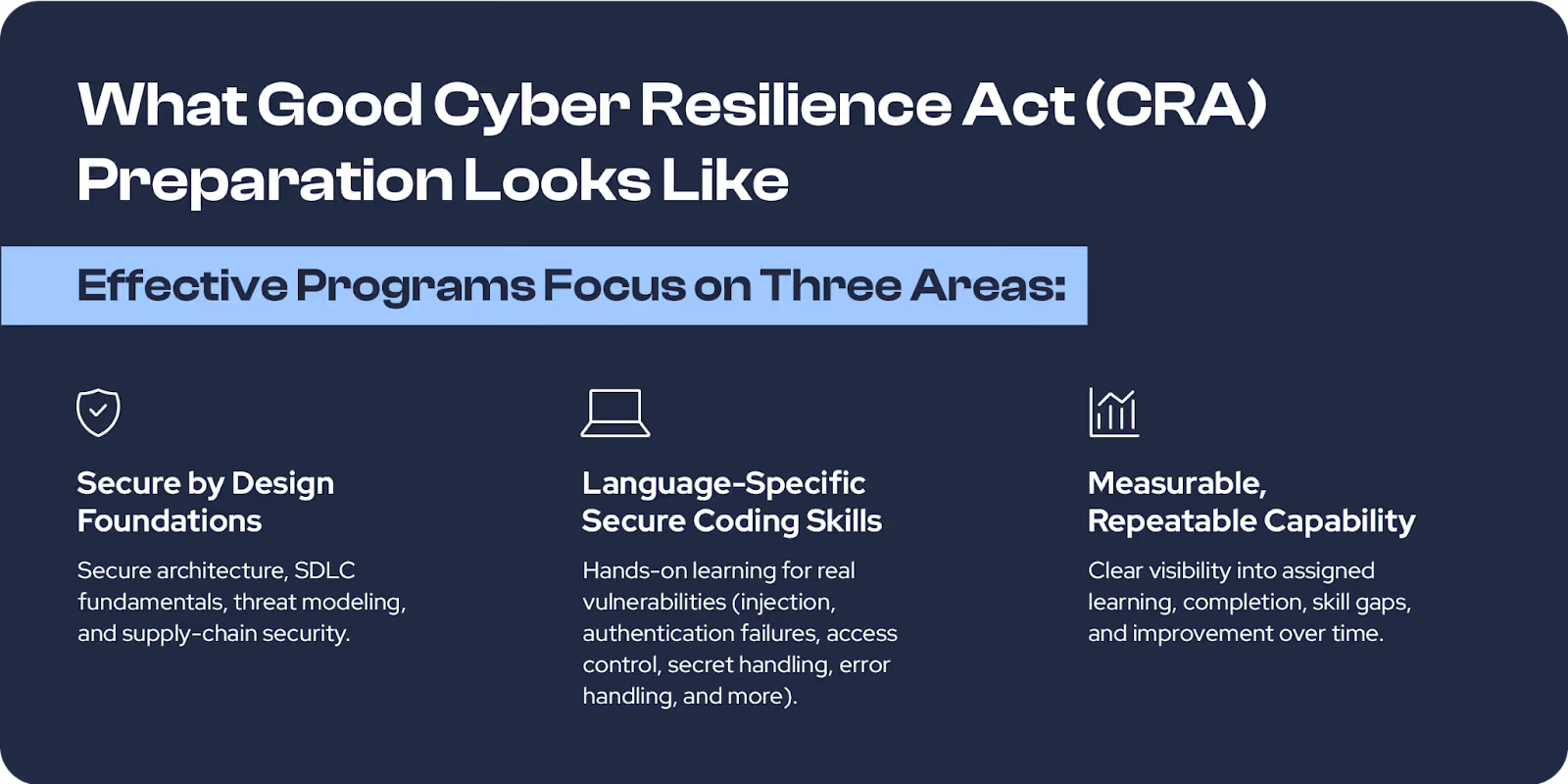
Secure Code Warrior가 CRA 준비를 지원하는 방법
Secure Code Warrior는 다음을 결합한 CRA 맞춤형 학습 경로를 제공합니다.
- 부속서 I, 제1부 기술적 취약점 요구 사항에 매핑된 CRA 표준 퀘스트와
- '설계부터 보안' 개념 컬렉션, 언어별 실습 중심의 취약점 학습
- 을 제공합니다.
SCW의 모든 CRA 맞춤형 학습 콘텐츠에 대한 원시트 가이드를 확인하세요. SCW는 규제 준수를 인증하지 않습니다. 당사는 규제의 보안 개발 원칙에 맞춘 체계적인 학습과 측정 가능한 역량 향상을 통해 CRA 준비를 지원합니다.
지금 바로 CRA 준비를 시작하세요
CRA는 업계의 흐름을 반영합니다. 바로 '설계부터 보안' 엔지니어링이 기본 기대치가 된 것입니다. 지금 개발자 역량에 투자하는 조직은 규제 준수는 물론, 장기적으로 더 탄력적이고 위험이 낮은 소프트웨어를 구축하는 데 유리한 위치를 선점하게 될 것입니다.
Secure Code Warrior가 규제 준수를 어떻게 도울 수 있는지에 대한 자세한 내용은 지식 베이스를 확인하세요: Secure Code Warrior의 규제 준수 지원 방법
배포 전 AI 기반 개발 거버넌스 확보
AI 기반 위험을 측정하고, 커밋 시점에 보안 코딩 정책을 적용하며, SDLC 전반에 걸쳐 안전한 소프트웨어 제공 속도를 높이세요.
더 많은 블로그 살펴보기
보안 코딩, AI 거버넌스, 소프트웨어 리스크 관리에 관한 전문가 콘텐츠를 확인해 보세요.
%252520%252520(3).avif)
Supercharged Security Awareness: How Tournaments are Inspiring Developers at Erste Group
Lorem ipsum dolor sit amet, consectetur adipiscing elit. Suspendisse varius enim in eros elementum tristique. Duis cursus, mi quis viverra ornare, eros dolor interdum nulla, ut commodo diam libero vitae erat. Aenean faucibus nibh et justo cursus id rutrum lorem imperdiet. Nunc ut sem vitae risus tristique posuere.

Security as culture: How Blue Prism cultivates world-class secure developers
Learn how Blue Prism, the global leader in intelligent automation for the enterprise, used Secure Code Warrior's agile learning platform to create a security-first culture with their developers, achieve their business goals, and ship secure code at speed

.avif)
배포 전 AI 기반 개발 보안 확보
소프트웨어 개발 수명 주기 전반에서 개발자 리스크를 파악하고, 정책을 시행하며, 취약점을 예방하세요.
