




Insights from experts shaping secure development
Access expert content on secure coding, AI governance, and software risk management.


The XZ Utils backdoor in Linux points to a wider supply chain security issue, and we need more than community spirit to keep it at bay
A critical vulnerability, CVE-2024-3094, was discovered in the XZ Utils data compression library used by major Linux distributions, introduced through a backdoor by a threat actor. This high-severity issue allows for potential remote code execution, posing significant risks to software build processes. The flaw affects early versions (5.6.0 and 5.6.1) of XZ Utils in Fedora Rawhide, with an urgent call for organizations to implement patches. The incident underscores the critical role of community volunteers in maintaining open-source software and highlights the need for enhanced security practices and access control within the software development lifecycle.

Reaping the benefits of AI innovation depends on starting with secure code
Generative AI offers financial services companies a lot of advantages, but also a lot of potential risk. Training developers in security best practices and pairing them with AI models can help create secure code from the start.

Harnessing AI and proactive measures for effective management of vulnerability alerts
Secure Code Warrior and Mend.io discuss impacts of AI on security, proactive security approaches, and effective management of vulnerability alerts.
Kamer van Koophandel Sets the Standard for Developer-Driven Security at Scale
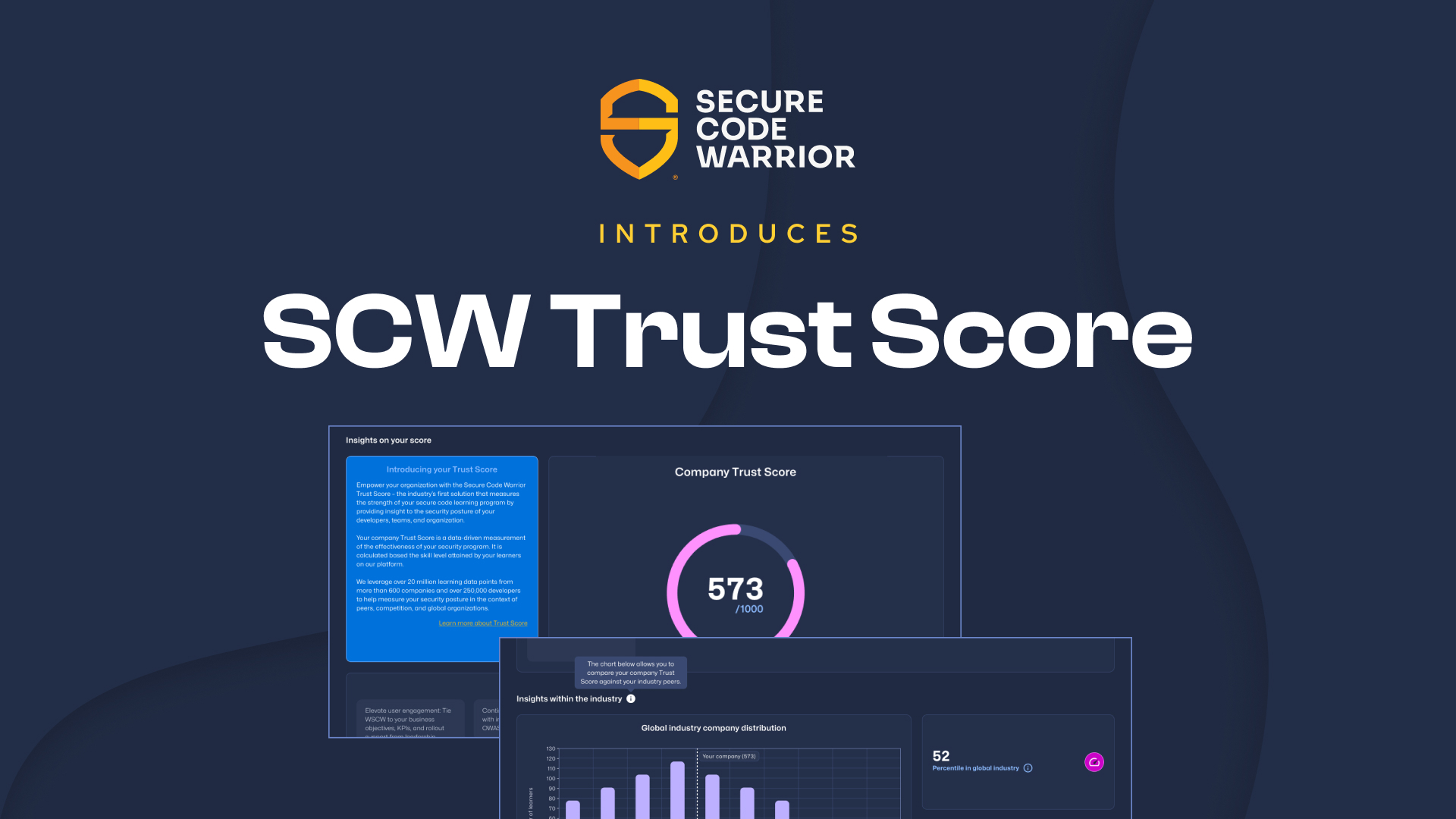
Kamer van Koophandel shares how it embedded secure coding into everyday development through role-based certifications, Trust Score benchmarking, and a culture of shared security ownership.
Going for Gold: Soaring Secure Code Standards at Paysafe
See how Paysafe's partnership with Secure Code Warrior led to a 45% boost in developer productivity and a major reduction in code vulnerabilities.
DigitalOcean Decreases Security Debt with Secure Code Warrior
DigitalOcean's use of Secure Code Warrior training has significantly reduced security debt, allowing teams to focus more on innovation and productivity. The improved security has strengthened their product quality and competitive edge. Looking ahead, the SCW Trust Score will help them further enhance security practices and continue driving innovation.

ITWire: Decoding AI Coding “Personalities” Critical to Managing Development Risk
As generative AI cements its place in enterprise software development, a familiar discipline is taking on new urgency: risk management.

In AI Today: Secure Code Warrior launches Trust Agent: AI to enable safe, scalable AI-driven development
Secure Code Warrior have today announced SCW Trust Agent: AI, the industry’s first governance solution designed to make Artificial Intelligence (AI) influence in software development visible, attributable, and enforceable at the point of commit — enabling enterprises to scale AI coding tools with measurable control over software risk.
DEVOPSdigest: 25 Years of the Agile Manifesto, and the End of the Road for AppSec?
Even as we restructure the SDLC around the most impactful elements of the Agile methodology with careful, DevSecOps-centric security considerations, is this the end of the road for AppSec as we know it?

Trust Agent:AI - Secure and scale AI-Drive development
AI is writing code. Who’s governing it? With up to 50% of AI-generated code containing security weaknesses, managing AI risk is critical. Discover how SCW's Trust Agent: AI provides the real-time visibility, proactive governance, and targeted upskilling needed to scale AI-driven development securely.
The Power of OpenText Application Security + Secure Code Warrior
OpenText Application Security and Secure Code Warrior combine vulnerability detection with AI Software Governance and developer capability. Together, they help organizations reduce risk, strengthen secure coding practices, and confidently adopt AI-driven development.

Secure Code Warrior corporate overview
Secure Code Warrior is an AI Software Governance platform designed to enable organizations to safely adopt AI-driven development by bridging the gap between development velocity and enterprise security. The platform addresses the "Visibility Gap," where security teams often lack insights into shadow AI coding tools and the origins of production code.