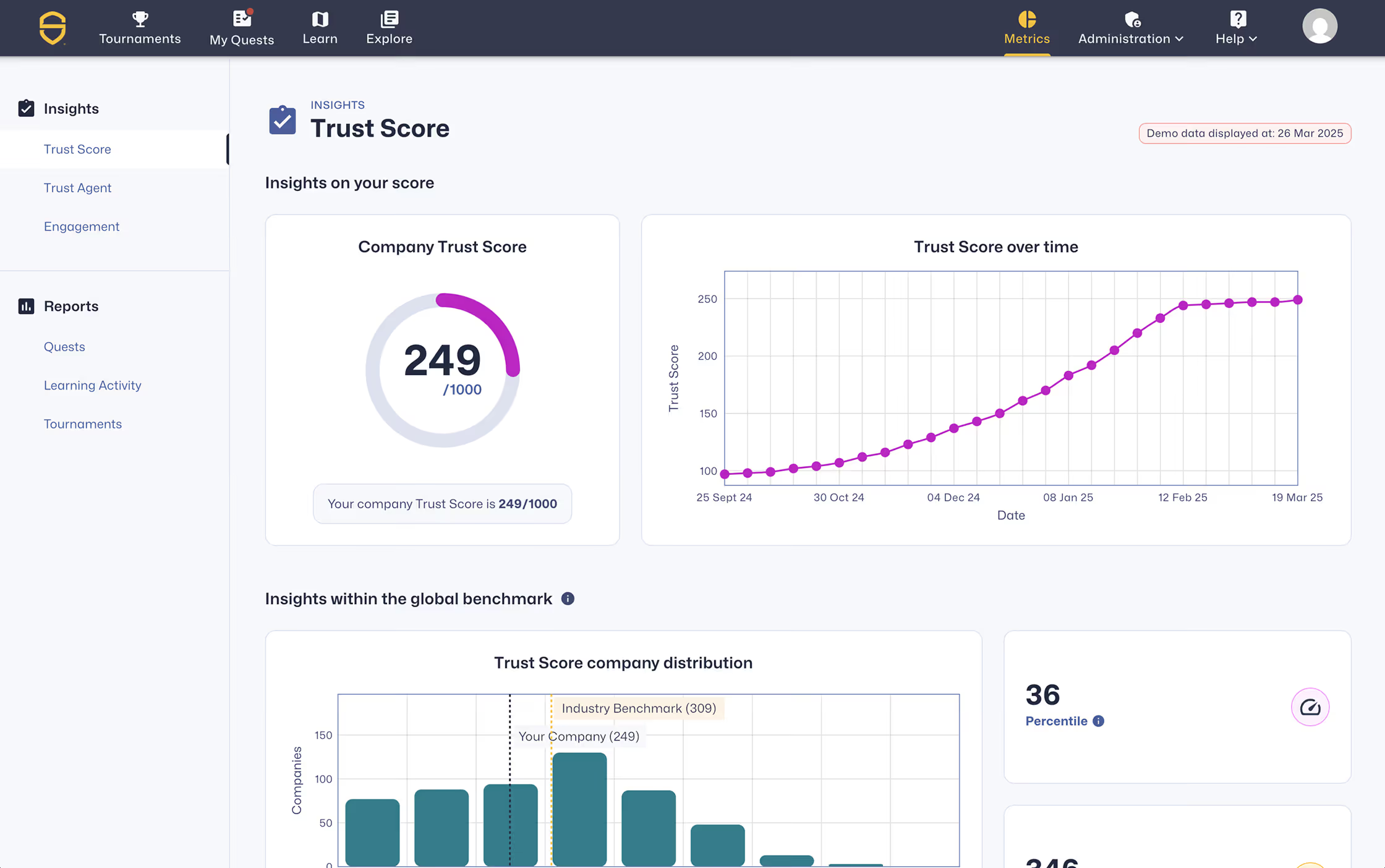
GitLab Updates CI/CD Platform to Improve Dev Productivity

GitLab has made available a 14.9 update to its namesake continuous integration/continuous delivery (CI/CD) platform that adds epic-linking, integrated security training, rule mode for scanning result policies and a revamped design, among other capabilities. The updated environment makes it easier to discover the state of the application development projects, GitLab said. GitLab has also partnered with Kontra and Secure Code Warrior to provide content that will drive security training functionality. This content can be accessed via the GitLab platform whenever a vulnerability is discovered.
Govern AI-driven development before it ships
Measure AI-assisted risk, enforce secure coding policy at commit, and accelerate secure delivery across your SDLC.
Explore more articles
Access expert content on secure coding, AI governance, and software risk management.
DEVOPSdigest: On Wax Wings: 3 Questions to Ask Before Your AI-Generated Code Takes Flight
In 2026, organizations learned a hard lesson about measuring the ROI of AI by usage. In March 2026, Uber revealed that about 70% of its committed code was AI-generated. A month later, Uber disclosed it used its annual Claude Code and Cursor budget in just four months. By May, Uber admitted it couldn't connect those usage stats to actually shipping more useful features.

AIThority: Secure Code Warrior Research Finds Curated Security Rule Sets Cut Measured Risk in AI-Generated Code by Up to 70%
New SCW AI Trust Index findings show vague prompts are unreliable, harness prompts cut risk, and spending more on AI doesn’t buy secure code.
LeadDev: AI coding rules matter more than your model
If your team’s AI security plan is a line telling the model to “write secure code,” it’s doing very little. It’s an easy line to add on day one and forget about.
The second wave of Secure Code Warrior’s AI Trust Index, released on November 17, makes the case.
Secure AI-driven development before it ships
See developer risk, enforce policy, and prevent vulnerabilities across your software development lifecycle.