

マネージャーとセキュリティチャンピオン — セキュア・コーディング・プラクティスのパイパーであり、重要な影響力を持つ人々です。


Right now, only 15% of developers agree that secure code practices should be everyone’s responsibility. In a world of increasing security threats, that simply isn’t good enough. Something has to be done. One key to creating a healthy AppSec culture is understanding the key influences (and influencers!) at play. So in 2020, Secure Code Warrior engaged with Evans Data Corp. to conduct primary research* into developers' and managers’ attitudes towards secure coding, secure code practices, and security operations.
When it comes to the vital adoption of secure coding practices, certain roles have a growing influence and voice, which can help to compel others to learn and adopt best practice.
The first of these is the development manager, cajoling AppSec-averse developers towards a secure coding mindset. Development managers are aware that they and their teams need to increase and improve their secure coding skill sets. 42% of surveyed managers bemoan the lack of secure coding skills among new hires.
The second is the ‘security champion’. While most developers still see security as someone else's responsibility, there is a small but growing cohort that embraces secure coding and champions it to their fellow coders. 25% of developers surveyed agree that there are go-to people leading the change to secure coding.
While these champions may only be a developer or senior developer, they can have an outsize impact on moving an organization towards a proactive security posture.
But first, let’s have a look at the role of the development manager in this context.
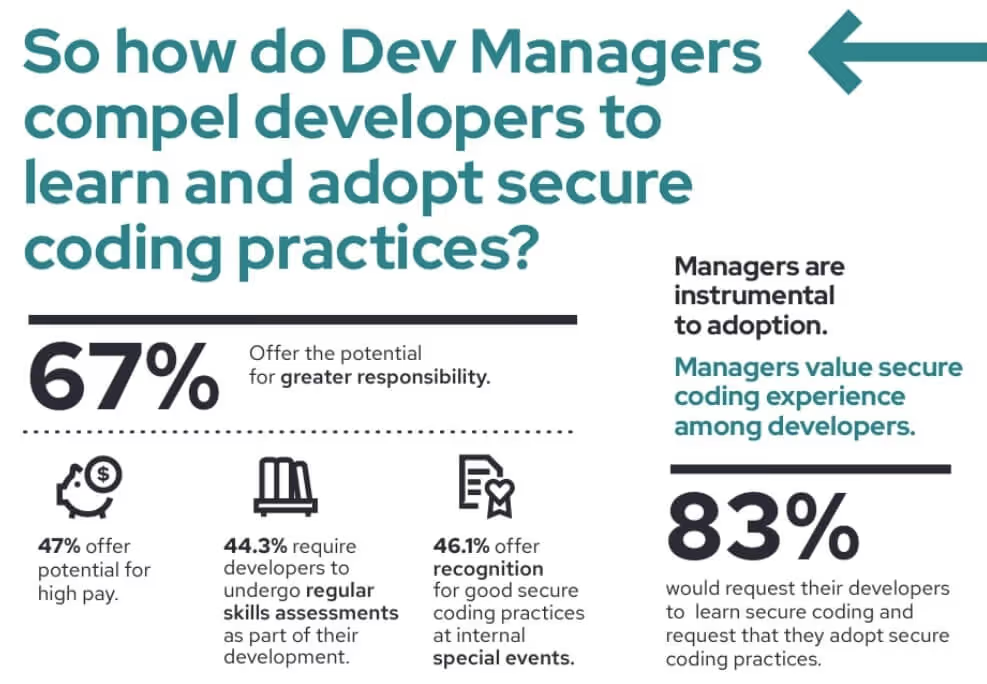
83% of managers surveyed say they ask developers to learn or adopt secure coding practices. Roughly three-quarters of surveyed managers say that they provide incentives for developers to engage with secure code training.
- 67% offer developers the potential for greater responsibility as recognition for learning secure coding practices.
- 47% say that they offer the potential for higher pay.
Many managers put a premium on secure coding skills when hiring new developers and value secure coding experience among developers who are already parts of their teams.
It's clear that at the organizational level, development managers are critical drivers of the adoption of secure coding practices – and instrumental to spotting security champions in the ranks of their developers.
Identifying security champions
One of the keys to improving developer engagement in secure code training and awareness programs is identifying security advocates or champions within the ranks of their current developer cohort.
Some development managers do this already – 55% of those surveyed say they recognize developers who perform well at special events.
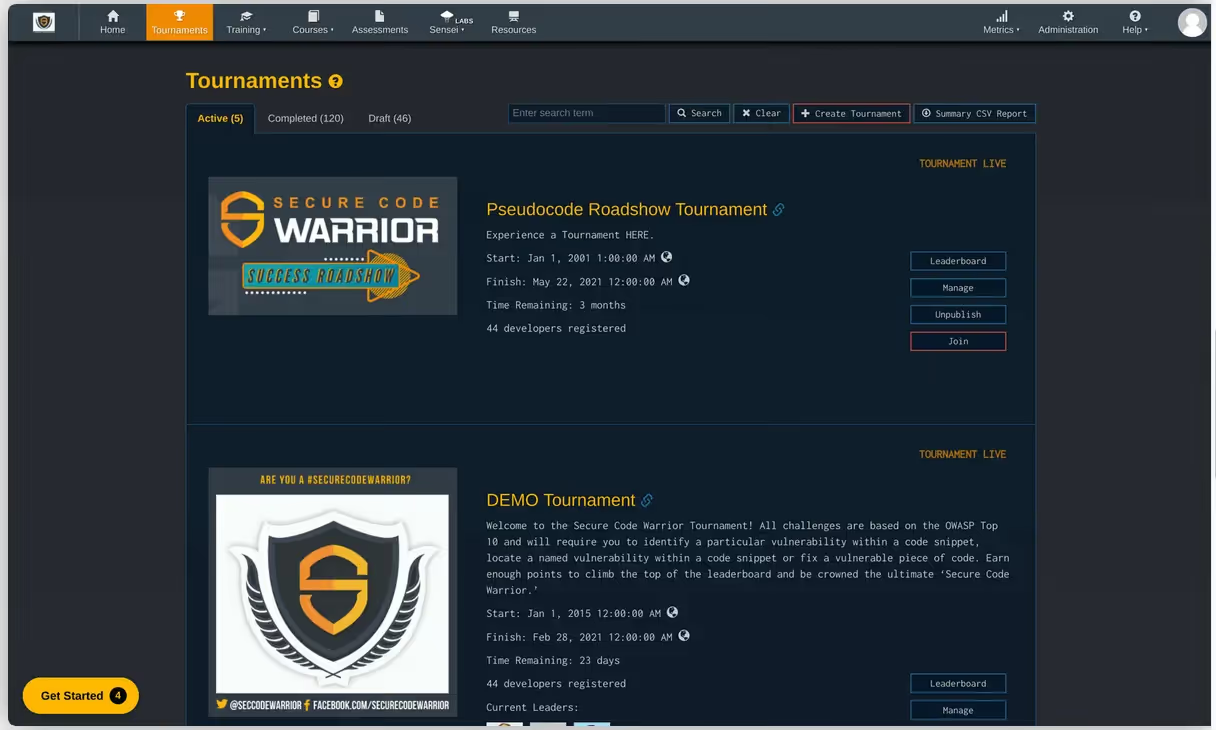
As champions of change in secure coding, Secure Code Warrior understands the power of special events and competitions to bring out the best in an organization’s developer base. This is why we have made Tournaments a central plank of our Learning Platform.
Raise security awareness and ownership
With a range of challenges, time limits, leaderboards, and prizes, tournaments generate a buzz that makes secure coding cool and promotes security awareness and ownership.
When it comes to measuring the effect of secure code training, 65% of surveyed development managers say that regular skills assessments drive their organizational focus on secure coding. Tournaments can be used to measure coders’ security skills in an active but safe environment and quickly establish a baseline for future skills development. This gamified training delivers contextual, hands-on experiences in relevant programming languages and frameworks, with challenges that mimic those developers face in the real world.
Throughout the tournament, developers earn points and watch as they climb to the top of the leaderboard. Watching the leaderboard helps management spot potential security champions within their development team.

If you'd like to know more about building secure code skills and awareness with gamified training that engages developers and identifies security champions, book a demo now.
*Shifting from reaction to prevention: The changing face of application security. Secure Code Warrior and Evans Data Corp. 2020

.avif)
現在、安全なコードの実践は全員の責任であるべきだと回答した開発者はわずか 15% です。セキュリティ上の脅威が増大する世界では、それだけでは十分ではありません。何かしなくてはいけない。健全なアプリケーションセキュリティ文化を築くための鍵の 1 つは、主要な影響力 (およびインフルエンサー) を理解することです。プレイ中。
Secure Code Warriorは、開発者がスキルを向上させるにつれて、セキュアコーディングを前向きで魅力的な体験にします。セキュリティスキルのある開発者が、接続された世界で日常的にスーパーヒーローになれるよう、コーダー一人ひとりが希望する学習経路に導きます。
Secure Code Warriorは、ソフトウェア開発ライフサイクル全体にわたってコードを保護し、サイバーセキュリティを最優先とする文化を築くお手伝いをします。アプリケーションセキュリティマネージャ、開発者、CISO、またはセキュリティ関係者のいずれであっても、安全でないコードに関連するリスクを軽減するお手伝いをします。
デモを予約


Secure Code Warriorは、開発者がスキルを向上させるにつれて、セキュアコーディングを前向きで魅力的な体験にします。セキュリティスキルのある開発者が、接続された世界で日常的にスーパーヒーローになれるよう、コーダー一人ひとりが希望する学習経路に導きます。
この記事は、Secure Code Warriorの業界専門家チームによって執筆されました。開発者が最初から安全なソフトウェアを構築するための知識とスキルを身に付けることを目指しています。セキュア・コーディングの実践に関する深い専門知識、業界動向、現実世界の洞察を活用しています。
Right now, only 15% of developers agree that secure code practices should be everyone’s responsibility. In a world of increasing security threats, that simply isn’t good enough. Something has to be done. One key to creating a healthy AppSec culture is understanding the key influences (and influencers!) at play. So in 2020, Secure Code Warrior engaged with Evans Data Corp. to conduct primary research* into developers' and managers’ attitudes towards secure coding, secure code practices, and security operations.
When it comes to the vital adoption of secure coding practices, certain roles have a growing influence and voice, which can help to compel others to learn and adopt best practice.
The first of these is the development manager, cajoling AppSec-averse developers towards a secure coding mindset. Development managers are aware that they and their teams need to increase and improve their secure coding skill sets. 42% of surveyed managers bemoan the lack of secure coding skills among new hires.
The second is the ‘security champion’. While most developers still see security as someone else's responsibility, there is a small but growing cohort that embraces secure coding and champions it to their fellow coders. 25% of developers surveyed agree that there are go-to people leading the change to secure coding.
While these champions may only be a developer or senior developer, they can have an outsize impact on moving an organization towards a proactive security posture.
But first, let’s have a look at the role of the development manager in this context.
83% of managers surveyed say they ask developers to learn or adopt secure coding practices. Roughly three-quarters of surveyed managers say that they provide incentives for developers to engage with secure code training.
- 67% offer developers the potential for greater responsibility as recognition for learning secure coding practices.
- 47% say that they offer the potential for higher pay.
Many managers put a premium on secure coding skills when hiring new developers and value secure coding experience among developers who are already parts of their teams.
It's clear that at the organizational level, development managers are critical drivers of the adoption of secure coding practices – and instrumental to spotting security champions in the ranks of their developers.
Identifying security champions
One of the keys to improving developer engagement in secure code training and awareness programs is identifying security advocates or champions within the ranks of their current developer cohort.
Some development managers do this already – 55% of those surveyed say they recognize developers who perform well at special events.
As champions of change in secure coding, Secure Code Warrior understands the power of special events and competitions to bring out the best in an organization’s developer base. This is why we have made Tournaments a central plank of our Learning Platform.
Raise security awareness and ownership
With a range of challenges, time limits, leaderboards, and prizes, tournaments generate a buzz that makes secure coding cool and promotes security awareness and ownership.
When it comes to measuring the effect of secure code training, 65% of surveyed development managers say that regular skills assessments drive their organizational focus on secure coding. Tournaments can be used to measure coders’ security skills in an active but safe environment and quickly establish a baseline for future skills development. This gamified training delivers contextual, hands-on experiences in relevant programming languages and frameworks, with challenges that mimic those developers face in the real world.
Throughout the tournament, developers earn points and watch as they climb to the top of the leaderboard. Watching the leaderboard helps management spot potential security champions within their development team.
If you'd like to know more about building secure code skills and awareness with gamified training that engages developers and identifies security champions, book a demo now.
*Shifting from reaction to prevention: The changing face of application security. Secure Code Warrior and Evans Data Corp. 2020


Right now, only 15% of developers agree that secure code practices should be everyone’s responsibility. In a world of increasing security threats, that simply isn’t good enough. Something has to be done. One key to creating a healthy AppSec culture is understanding the key influences (and influencers!) at play. So in 2020, Secure Code Warrior engaged with Evans Data Corp. to conduct primary research* into developers' and managers’ attitudes towards secure coding, secure code practices, and security operations.
When it comes to the vital adoption of secure coding practices, certain roles have a growing influence and voice, which can help to compel others to learn and adopt best practice.
The first of these is the development manager, cajoling AppSec-averse developers towards a secure coding mindset. Development managers are aware that they and their teams need to increase and improve their secure coding skill sets. 42% of surveyed managers bemoan the lack of secure coding skills among new hires.
The second is the ‘security champion’. While most developers still see security as someone else's responsibility, there is a small but growing cohort that embraces secure coding and champions it to their fellow coders. 25% of developers surveyed agree that there are go-to people leading the change to secure coding.
While these champions may only be a developer or senior developer, they can have an outsize impact on moving an organization towards a proactive security posture.
But first, let’s have a look at the role of the development manager in this context.
83% of managers surveyed say they ask developers to learn or adopt secure coding practices. Roughly three-quarters of surveyed managers say that they provide incentives for developers to engage with secure code training.
- 67% offer developers the potential for greater responsibility as recognition for learning secure coding practices.
- 47% say that they offer the potential for higher pay.
Many managers put a premium on secure coding skills when hiring new developers and value secure coding experience among developers who are already parts of their teams.
It's clear that at the organizational level, development managers are critical drivers of the adoption of secure coding practices – and instrumental to spotting security champions in the ranks of their developers.
Identifying security champions
One of the keys to improving developer engagement in secure code training and awareness programs is identifying security advocates or champions within the ranks of their current developer cohort.
Some development managers do this already – 55% of those surveyed say they recognize developers who perform well at special events.
As champions of change in secure coding, Secure Code Warrior understands the power of special events and competitions to bring out the best in an organization’s developer base. This is why we have made Tournaments a central plank of our Learning Platform.
Raise security awareness and ownership
With a range of challenges, time limits, leaderboards, and prizes, tournaments generate a buzz that makes secure coding cool and promotes security awareness and ownership.
When it comes to measuring the effect of secure code training, 65% of surveyed development managers say that regular skills assessments drive their organizational focus on secure coding. Tournaments can be used to measure coders’ security skills in an active but safe environment and quickly establish a baseline for future skills development. This gamified training delivers contextual, hands-on experiences in relevant programming languages and frameworks, with challenges that mimic those developers face in the real world.
Throughout the tournament, developers earn points and watch as they climb to the top of the leaderboard. Watching the leaderboard helps management spot potential security champions within their development team.
If you'd like to know more about building secure code skills and awareness with gamified training that engages developers and identifies security champions, book a demo now.
*Shifting from reaction to prevention: The changing face of application security. Secure Code Warrior and Evans Data Corp. 2020
以下のリンクをクリックして、このリソースのPDFをダウンロードしてください。
Secure Code Warriorは、ソフトウェア開発ライフサイクル全体にわたってコードを保護し、サイバーセキュリティを最優先とする文化を築くお手伝いをします。アプリケーションセキュリティマネージャ、開発者、CISO、またはセキュリティ関係者のいずれであっても、安全でないコードに関連するリスクを軽減するお手伝いをします。
レポートを表示デモを予約
Secure Code Warriorは、開発者がスキルを向上させるにつれて、セキュアコーディングを前向きで魅力的な体験にします。セキュリティスキルのある開発者が、接続された世界で日常的にスーパーヒーローになれるよう、コーダー一人ひとりが希望する学習経路に導きます。
この記事は、Secure Code Warriorの業界専門家チームによって執筆されました。開発者が最初から安全なソフトウェアを構築するための知識とスキルを身に付けることを目指しています。セキュア・コーディングの実践に関する深い専門知識、業界動向、現実世界の洞察を活用しています。
Right now, only 15% of developers agree that secure code practices should be everyone’s responsibility. In a world of increasing security threats, that simply isn’t good enough. Something has to be done. One key to creating a healthy AppSec culture is understanding the key influences (and influencers!) at play. So in 2020, Secure Code Warrior engaged with Evans Data Corp. to conduct primary research* into developers' and managers’ attitudes towards secure coding, secure code practices, and security operations.
When it comes to the vital adoption of secure coding practices, certain roles have a growing influence and voice, which can help to compel others to learn and adopt best practice.
The first of these is the development manager, cajoling AppSec-averse developers towards a secure coding mindset. Development managers are aware that they and their teams need to increase and improve their secure coding skill sets. 42% of surveyed managers bemoan the lack of secure coding skills among new hires.
The second is the ‘security champion’. While most developers still see security as someone else's responsibility, there is a small but growing cohort that embraces secure coding and champions it to their fellow coders. 25% of developers surveyed agree that there are go-to people leading the change to secure coding.
While these champions may only be a developer or senior developer, they can have an outsize impact on moving an organization towards a proactive security posture.
But first, let’s have a look at the role of the development manager in this context.
83% of managers surveyed say they ask developers to learn or adopt secure coding practices. Roughly three-quarters of surveyed managers say that they provide incentives for developers to engage with secure code training.
- 67% offer developers the potential for greater responsibility as recognition for learning secure coding practices.
- 47% say that they offer the potential for higher pay.
Many managers put a premium on secure coding skills when hiring new developers and value secure coding experience among developers who are already parts of their teams.
It's clear that at the organizational level, development managers are critical drivers of the adoption of secure coding practices – and instrumental to spotting security champions in the ranks of their developers.
Identifying security champions
One of the keys to improving developer engagement in secure code training and awareness programs is identifying security advocates or champions within the ranks of their current developer cohort.
Some development managers do this already – 55% of those surveyed say they recognize developers who perform well at special events.
As champions of change in secure coding, Secure Code Warrior understands the power of special events and competitions to bring out the best in an organization’s developer base. This is why we have made Tournaments a central plank of our Learning Platform.
Raise security awareness and ownership
With a range of challenges, time limits, leaderboards, and prizes, tournaments generate a buzz that makes secure coding cool and promotes security awareness and ownership.
When it comes to measuring the effect of secure code training, 65% of surveyed development managers say that regular skills assessments drive their organizational focus on secure coding. Tournaments can be used to measure coders’ security skills in an active but safe environment and quickly establish a baseline for future skills development. This gamified training delivers contextual, hands-on experiences in relevant programming languages and frameworks, with challenges that mimic those developers face in the real world.
Throughout the tournament, developers earn points and watch as they climb to the top of the leaderboard. Watching the leaderboard helps management spot potential security champions within their development team.
If you'd like to know more about building secure code skills and awareness with gamified training that engages developers and identifies security champions, book a demo now.
*Shifting from reaction to prevention: The changing face of application security. Secure Code Warrior and Evans Data Corp. 2020
目次
Secure Code Warriorは、開発者がスキルを向上させるにつれて、セキュアコーディングを前向きで魅力的な体験にします。セキュリティスキルのある開発者が、接続された世界で日常的にスーパーヒーローになれるよう、コーダー一人ひとりが希望する学習経路に導きます。
Secure Code Warriorは、ソフトウェア開発ライフサイクル全体にわたってコードを保護し、サイバーセキュリティを最優先とする文化を築くお手伝いをします。アプリケーションセキュリティマネージャ、開発者、CISO、またはセキュリティ関係者のいずれであっても、安全でないコードに関連するリスクを軽減するお手伝いをします。
デモを予約[ダウンロード]始めるためのリソース


始めるためのリソース
%20thumbnail.png)

Secure coding learning that reflects real AI usage
Align secure coding training to real AI development activity — automatically assigning guidance to developers using AI tools, without manual intervention.Align secure coding training to real AI development activity — automatically assigning guidance to developers using AI tools, without manual intervention.