



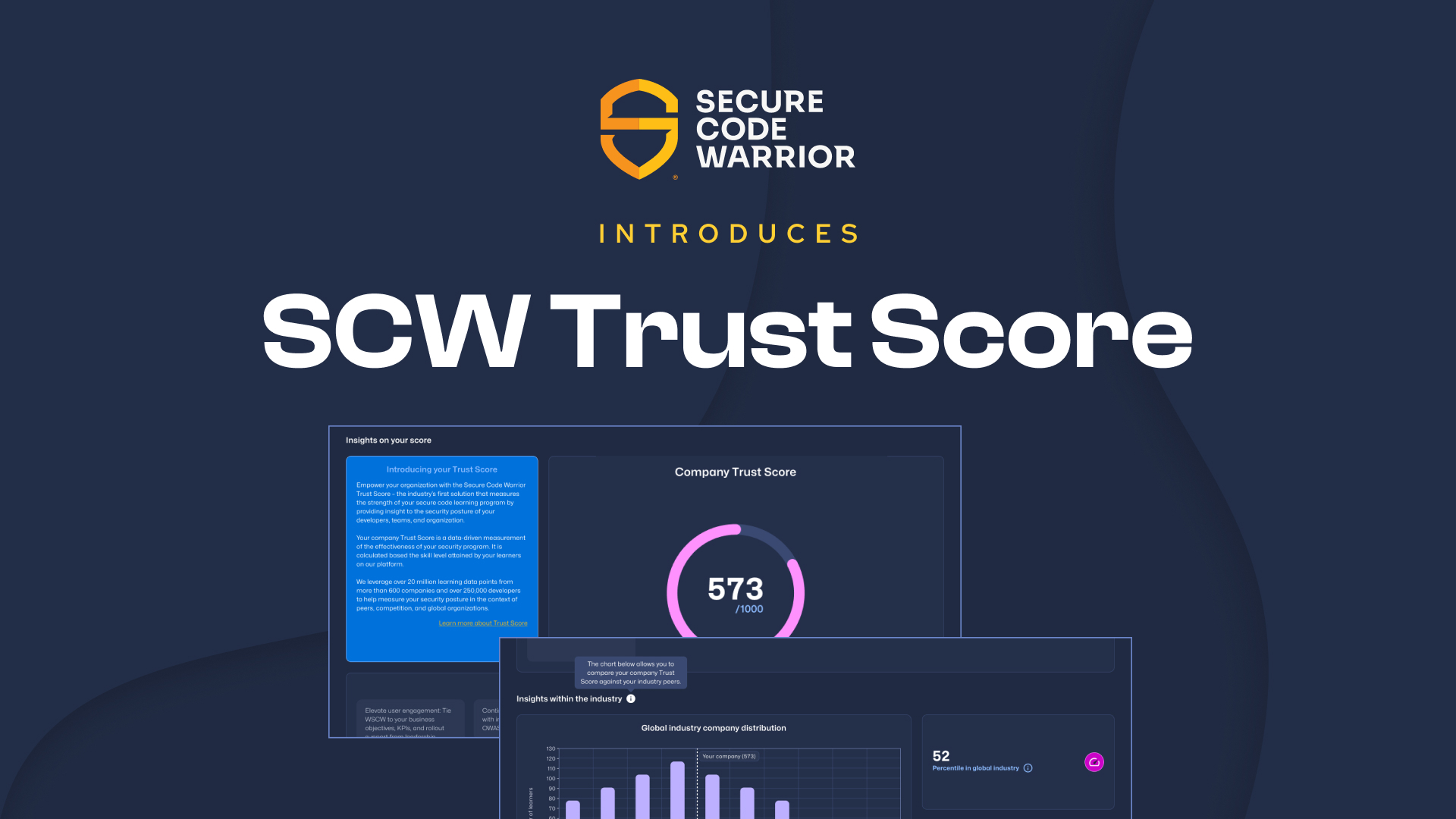


Insights from experts shaping secure development
Access expert content on secure coding, AI governance, and software risk management.


Post-Quantum Cryptography: Quantum Computers Will Break Today’s Encryption – Are You Ready?
Post-quantum cryptography (PQC) is critical for protecting data from quantum computing threats. Learn how “harvest now, decrypt later” exposes risk and how developers can prepare for quantum-safe security.

Enabler 2: Senior Leadership Sponsorship
Explore Enabler 2: Senior Leadership Sponsorship. Learn why active buy-in from the CIO, CTO, and CISO is vital to drive developer adoption and program credibility.
Observe and Secure the ADLC: A Four-Point Framework for CISOs and Development Teams Using AI
While development teams look to make the most of GenAI’s undeniable benefits, we’d like to propose a four-point foundational framework that will allow security leaders to deploy AI coding tools and agents with a higher, more relevant standard of security best practices. It details exactly what enterprises can do to ensure safe, secure code development right now, and as agentic AI becomes an even bigger factor in the future.
Kamer van Koophandel Sets the Standard for Developer-Driven Security at Scale
Kamer van Koophandel shares how it embedded secure coding into everyday development through role-based certifications, Trust Score benchmarking, and a culture of shared security ownership.
Going for Gold: Soaring Secure Code Standards at Paysafe
See how Paysafe's partnership with Secure Code Warrior led to a 45% boost in developer productivity and a major reduction in code vulnerabilities.
DigitalOcean Decreases Security Debt with Secure Code Warrior
DigitalOcean's use of Secure Code Warrior training has significantly reduced security debt, allowing teams to focus more on innovation and productivity. The improved security has strengthened their product quality and competitive edge. Looking ahead, the SCW Trust Score will help them further enhance security practices and continue driving innovation.

Information Security Buzz: OWASP Top 10 2025: New Enemies, Old Foes, and an Approach to Vulnerability Remediation That Must Evolve
The OWASP Foundation has been a guiding light for security professionals and enthusiasts alike, providing critical, practical advice on the most insidious software vulnerabilities across a plethora of categories and platforms. It has been the first major update since 2021 to the flagship OWASP Top 10 Web Vulnerabilities, and in that time, the industry has been rocked by a stampede of AI technology, tools, and code, each creating a dichotomy of security efficiency and risk for both cybersecurity and software engineering professionals.

DEVOPSdigest: What Software Developers Need to Know About Secure Coding and AI Red Flags
The bottom line: AI tools are not safe for enterprise use unless the code output is reviewed and implemented by a security-proficient human. 30% of security experts admit that they don't trust(link is external) the accuracy of code generated by AI itself. That's why security leaders must prioritize the education and upskilling of developer teams, to ensure they have the necessary skills and capabilities to mitigate AI-assisted code vulnerabilities as early as possible. This will lead to the cultivation of a "security first" team culture and safer AI use.

Stack Overflow: If you're a Zoomer, this one's for you: Everything Gen Z needs to know about the 2025 tech landscape
Here's the lowdown on all the tech from 2025 that you, dear Zoomer, should know about.
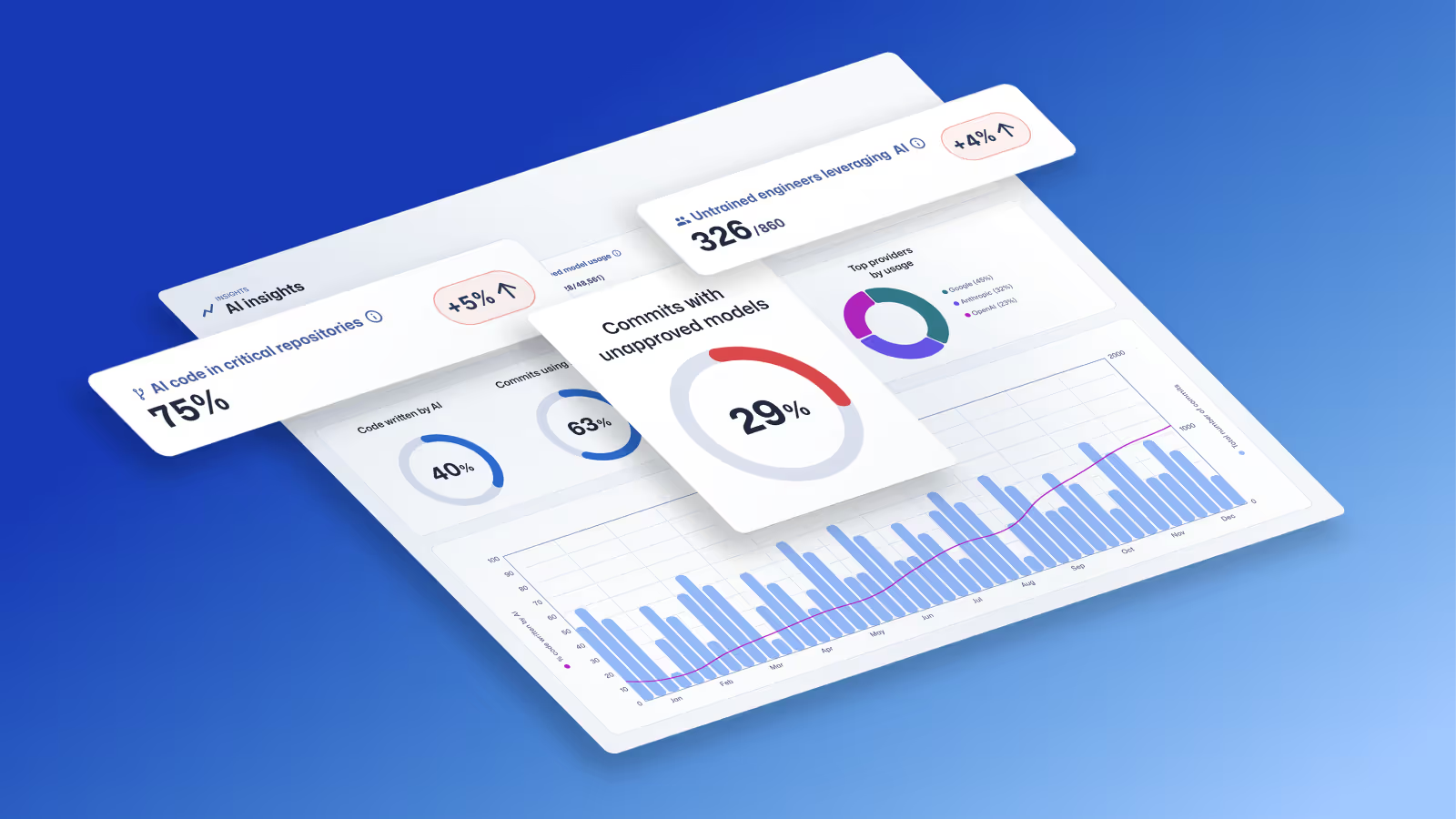
Trust Agent: AI by Secure Code Warrior
This one-pager introduces SCW Trust Agent: AI, a new set of capabilities that provide deep observability and governance over AI coding tools. Learn how our solution uniquely correlates AI tool usage with developer skills to help you manage risk, optimize your SDLC, and ensure every line of AI-generated code is secure.
AI Coding Assistants: A Guide to Security-Safe Navigation for the Next Generation of Developers
Large language models deliver irresistible advantages in speed and productivity, but they also introduce undeniable risks to the enterprise. Traditional security guardrails aren’t enough to control the deluge. Developers require precise, verified security skills to identify and prevent security flaws at the outset of the software development lifecycle.
