




Insights from experts shaping secure development
Access expert content on secure coding, AI governance, and software risk management.


PCI-DSS 4.0 estará aquí antes de lo que cree y es una oportunidad para aumentar la ciberresiliencia de su organización
A principios de este año, el Consejo de Normas de Seguridad de la PCI presentó la versión 4.0 de su Norma de Seguridad de Datos para la Industria de las Tarjetas de Pago (PCI DSS). Si bien las organizaciones no necesitarán cumplir plenamente con la tecnología 4.0 hasta marzo de 2025, esta actualización es la más transformadora hasta la fecha y requerirá que la mayoría de las empresas evalúen (y probablemente actualicen) los complejos procesos de seguridad y los elementos de su oferta tecnológica. Esto se suma a la implementación de una formación de concienciación en materia de seguridad basada en funciones y una educación regular sobre codificación segura para desarrolladores.

De la formación al aprendizaje ágil: cómo una plataforma de aprendizaje ágil para código seguro revoluciona su enfoque del software seguro
Descubra cómo una plataforma de aprendizaje ágil para código seguro mejora las habilidades de los desarrolladores, reduce el riesgo y reduce la deuda técnica con el tiempo al empezar de la izquierda en el SDLC.

Repensar el software en la jerarquía organizacional
Al ayudar a definir las responsabilidades de nuestras aplicaciones y software dentro de una jerarquía estricta, y al hacer cumplir esas políticas con los mínimos privilegios, podemos asegurarnos de que nuestras aplicaciones y software también sobrevivan y prosperen a pesar del panorama de amenazas que se les presenta.
Kamer van Koophandel Sets the Standard for Developer-Driven Security at Scale
Kamer van Koophandel shares how it embedded secure coding into everyday development through role-based certifications, Trust Score benchmarking, and a culture of shared security ownership.
Going for Gold: Soaring Secure Code Standards at Paysafe
See how Paysafe's partnership with Secure Code Warrior led to a 45% boost in developer productivity and a major reduction in code vulnerabilities.
DigitalOcean Decreases Security Debt with Secure Code Warrior
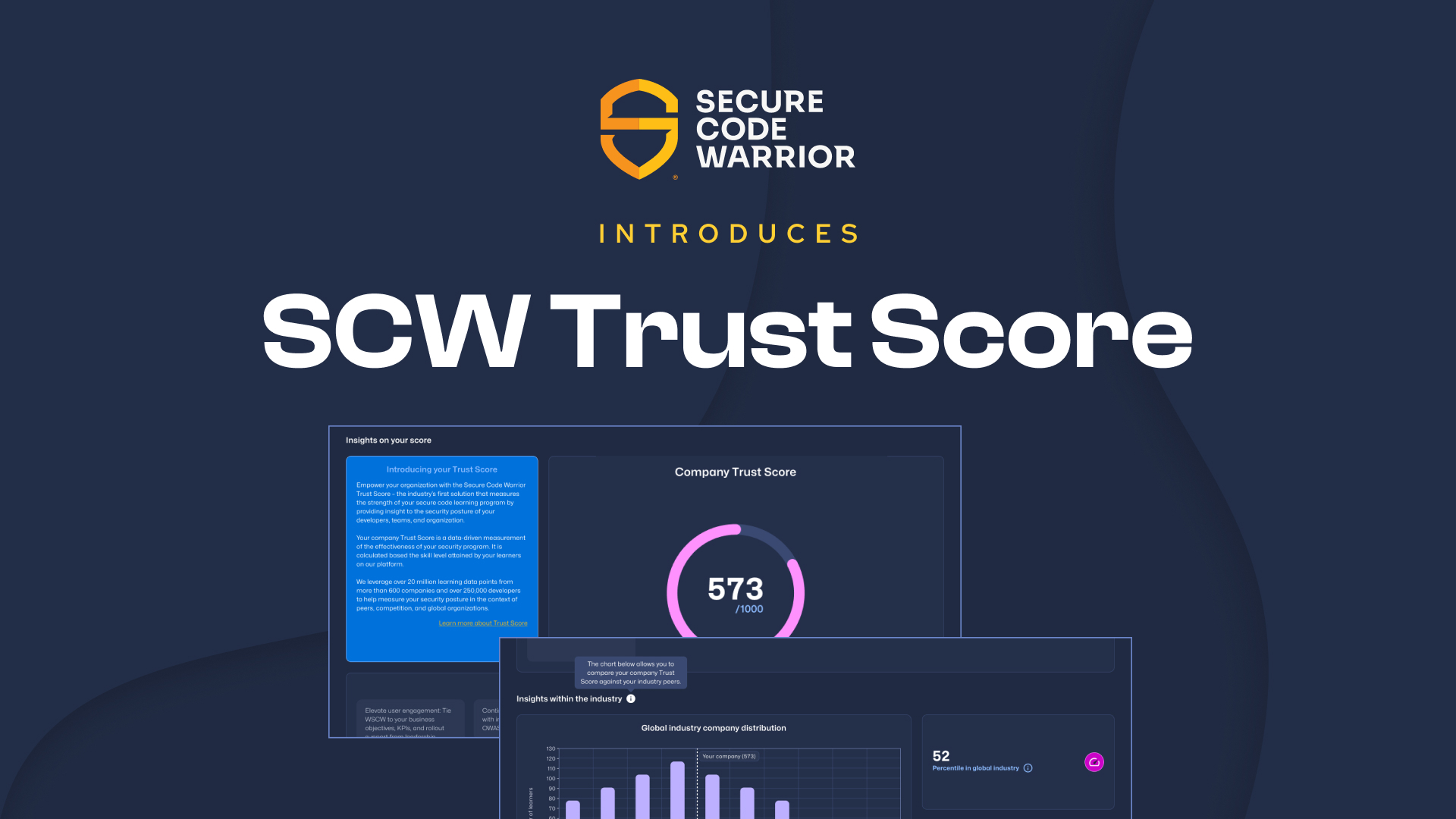
DigitalOcean's use of Secure Code Warrior training has significantly reduced security debt, allowing teams to focus more on innovation and productivity. The improved security has strengthened their product quality and competitive edge. Looking ahead, the SCW Trust Score will help them further enhance security practices and continue driving innovation.

SD Times: AI-Assisted Development Multiplies Human Error: What’s Your AI Governance and Risk Management Strategy?
According to a recent report from Gartner, the rampant use of shadow AI and rogue automation is further fueling the proliferation of AI vulnerabilities. Gartner notes that 32% of IT workers using generative AI tools at work say they keep them hidden from cybersecurity teams. Combined with low-code/no-code platforms and vibe coding practices, the AI copilots are greatly expanding the enterprise attack surface.
Cybersecurity Tribe: What Separates Real AI Governance From Policy Theater
For this article, we asked a central question for security and risk leaders: "What differentiates a policy that genuinely mitigates enterprise risk from one that exists primarily to demonstrate that the organization has acknowledged AI risk?"

Trust Agent: AI by Secure Code Warrior
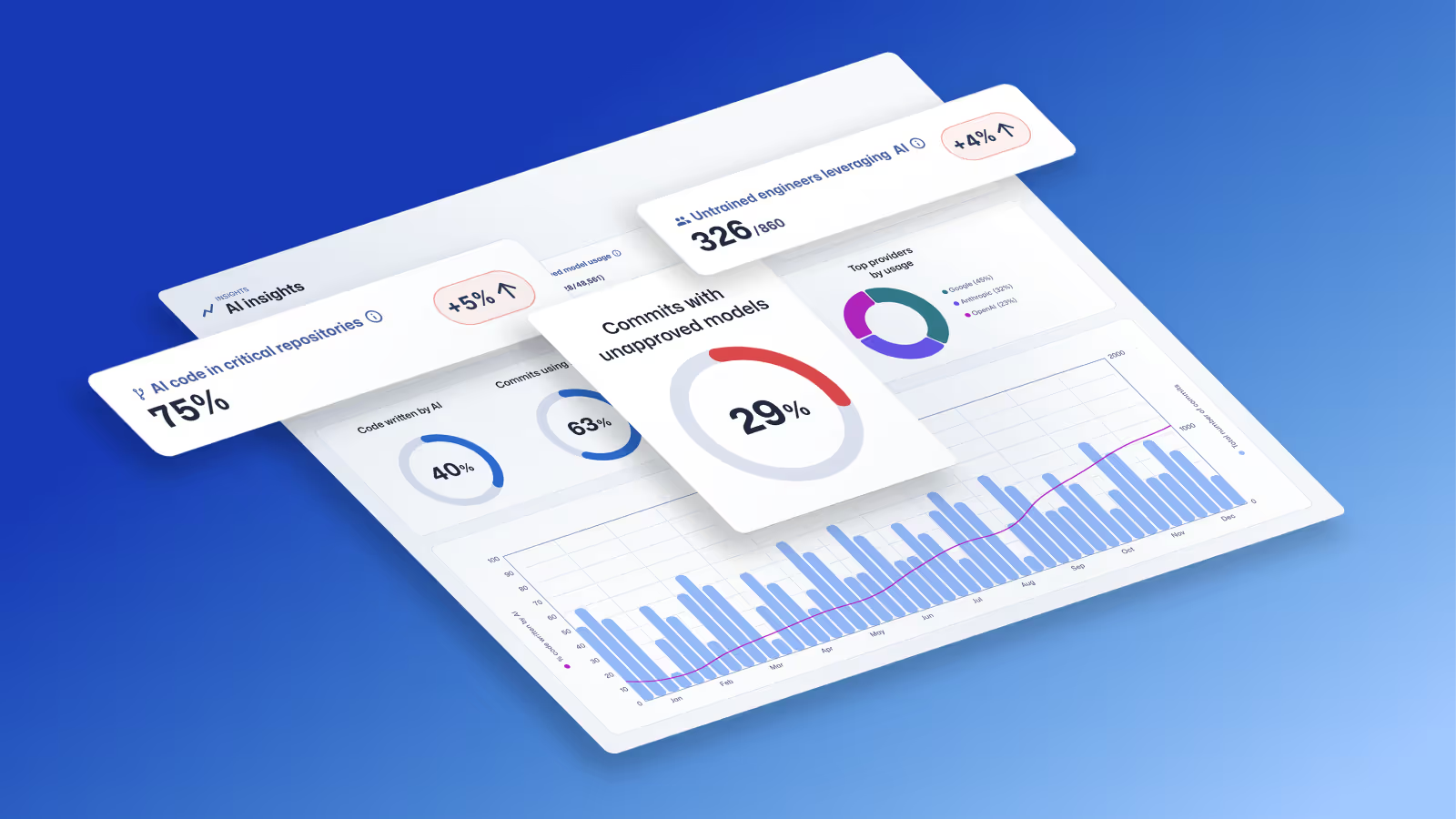
This one-pager introduces SCW Trust Agent: AI, a new set of capabilities that provide deep observability and governance over AI coding tools. Learn how our solution uniquely correlates AI tool usage with developer skills to help you manage risk, optimize your SDLC, and ensure every line of AI-generated code is secure.
AI Coding Assistants: A Guide to Security-Safe Navigation for the Next Generation of Developers
Large language models deliver irresistible advantages in speed and productivity, but they also introduce undeniable risks to the enterprise. Traditional security guardrails aren’t enough to control the deluge. Developers require precise, verified security skills to identify and prevent security flaws at the outset of the software development lifecycle.
